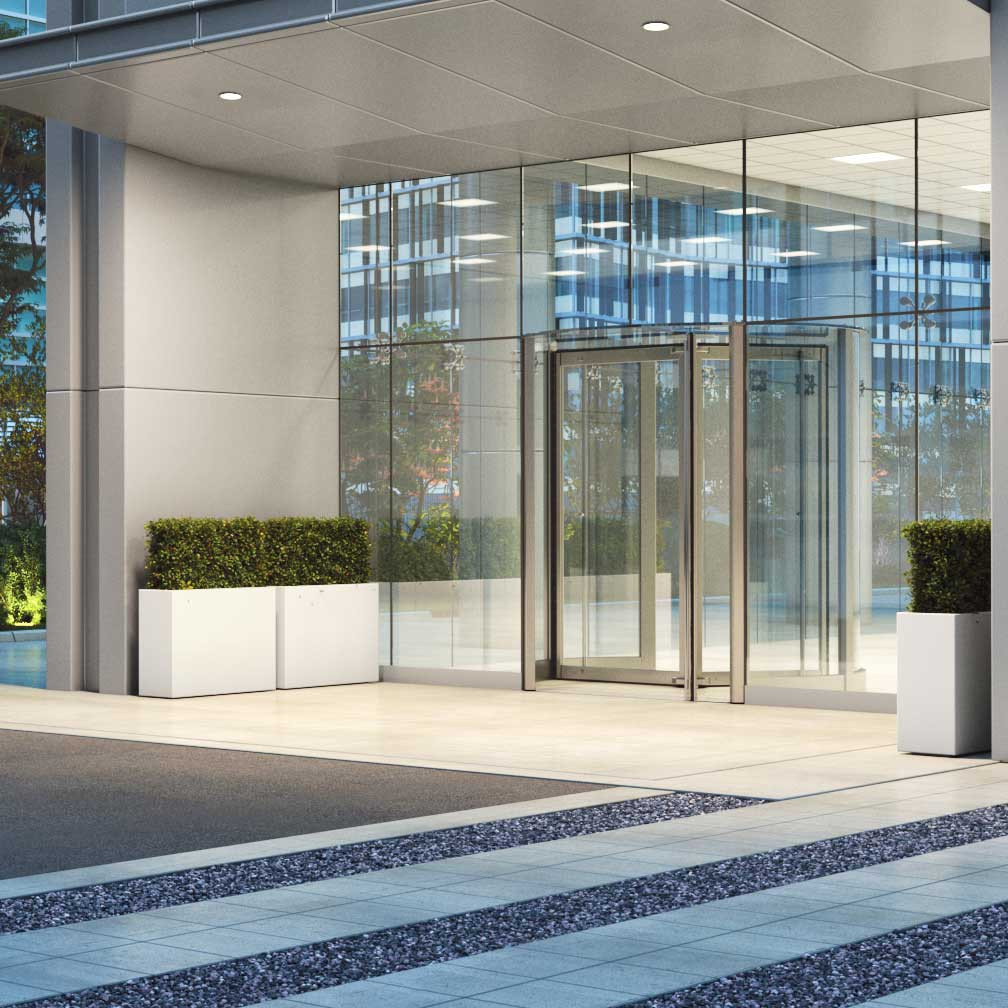
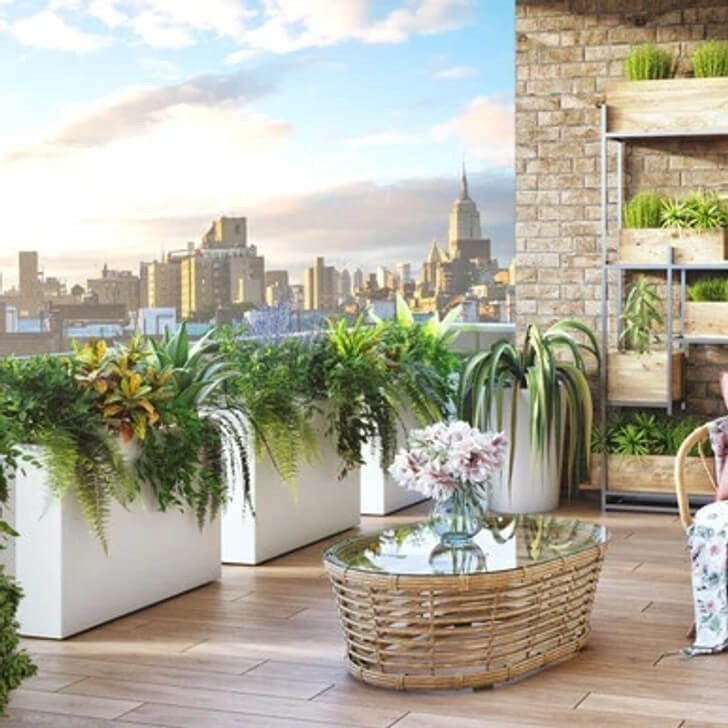
Commercial planter delivery should be planned before ordering, not treated as a detail to solve after the planters ship.
Large planters, long planter boxes, tree planters, rooftop planters, pool deck planters, and multi-location orders all need coordination around freight, receiving, access paths, staging, timing, finished surfaces, and who moves the planters after delivery.
The planter itself may be lighter than concrete when empty, especially when fiberglass is used, but the dimensions still matter. A planter can be manageable by weight and still be too long, tall, wide, or awkward for the actual delivery route.
Before ordering, confirm:
Who receives the freight?
Where can the truck deliver?
Is there a loading dock?
Is curbside delivery enough?
Who moves the planters from the curb or delivery point to final location?
Will the planters fit through gates, doors, elevators, hallways, courtyards, patios, or rooftop access points?
Is there a staging area?
Are finished surfaces protected?
Does the project need split shipments or phased delivery?
Flat rate shipping & handling. Curbside shipping & handling included on orders over $3,500.
Commercial planter delivery is more complex than receiving a small package.
Many commercial planter projects involve large dimensions, freight handling, pallets or crating, multi-piece orders, multi-building properties, finished interiors, rooftops, courtyards, pool decks, restaurants, storefronts, and time-sensitive installation schedules.
Delivery planning should account for:
Large planter dimensions
Freight receiving
Loading docks or curb access
Pallets, packaging, or crating
Multi-piece orders
Multi-building properties
Rooftop and elevated deck access
Courtyard and pool deck access
Restaurant and storefront operating hours
Finished lobbies and interior surfaces
Installation teams
Planting crews
Maintenance teams
Construction, opening, leasing, patio season, or renovation schedules
The main point is simple: dimensions, access, timing, and responsibility should be confirmed before ordering.
Freight, Shipping, and Curbside Delivery
Freight delivery is different from parcel delivery.
Large commercial planters may ship by truck depending on the product dimensions, order size, destination, and shipment details. That means the delivery needs a receiving plan, not just a shipping address.
Flat rate shipping & handling. Curbside shipping & handling included on orders over $3,500.
Curbside delivery generally means delivery to the curb or accessible delivery point. It should not be treated as inside delivery, rooftop placement, final installation, or movement to the final planter location.
Before ordering, confirm:
The delivery address
The receiving contact
The receiving phone number
Site access
Delivery appointment needs
Receiving windows
Loading dock availability
Curb access
Whether a gate, security desk, property office, or site contact is involved
Who moves the planters after delivery
Where the planters will be staged before final placement
Avoid assuming that freight delivery includes liftgate service, inside delivery, white-glove delivery, rooftop delivery, or final placement unless that service has been specifically arranged.
Dimensions Matter as Much as Weight
Commercial planter logistics are not only about how heavy the planter is.
A planter may be light enough to move but still too long, tall, wide, or awkward for the real access path. This is especially important for long planter boxes, extra-large planter boxes, tall planters, tree planters, rooftop planters, and planters going into finished interiors.
Check planter dimensions against:
Door widths
Gates
Service corridors
Elevators
Freight elevators
Stairwells
Loading docks
Rooftop access
Courtyard access
Pool deck access
Balcony or unit access
Restaurant patio access
Storefront sidewalks
Finished lobbies
Tight turns
Staging areas
An access path can be the limiting factor even when the empty planter weight seems manageable.
Different commercial settings create different delivery questions.
Hotels and Hospitality Properties
Hotel planter delivery often involves guest-facing areas, tight timing, and multiple property zones.
Plan for arrival areas, valet zones, lobbies, pool decks, rooftop amenities, courtyards, patios, and other high-visibility spaces. Delivery may need to coordinate with property teams, guest traffic, opening schedules, renovation windows, and finished surface protection.
Restaurant and storefront planter delivery should account for street-facing access, operating hours, customer movement, and service paths.
Plan around sidewalk access, curb access, patio furniture, host stands, outdoor seating layouts, storefront windows, delivery timing, and staging before opening, renovation, or patio season.
Office planter delivery often depends on building access procedures.
Confirm loading dock availability, freight elevator dimensions, lobby protection, reception area access, tenant schedules, security check-in, after-hours delivery requirements if relevant, and coordination with maintenance or facilities teams.
Multifamily planter delivery may involve several buildings, shared amenities, resident movement, and phased installation.
Plan for leasing offices, entries, courtyards, pool decks, rooftop amenities, balconies, patios, unit access, floor access, staging areas, and whether delivery needs to be split by building or phase.
Rooftop, balcony, terrace, and elevated deck planter projects need early access and placement coordination.
Plan the access path, staging area, filled weight, wind exposure, drainage, final placement, and coordination with the project team.
For commercial rooftops, balconies, terraces, and elevated decks, final placement and load approval should come from the structural engineer of record where applicable.
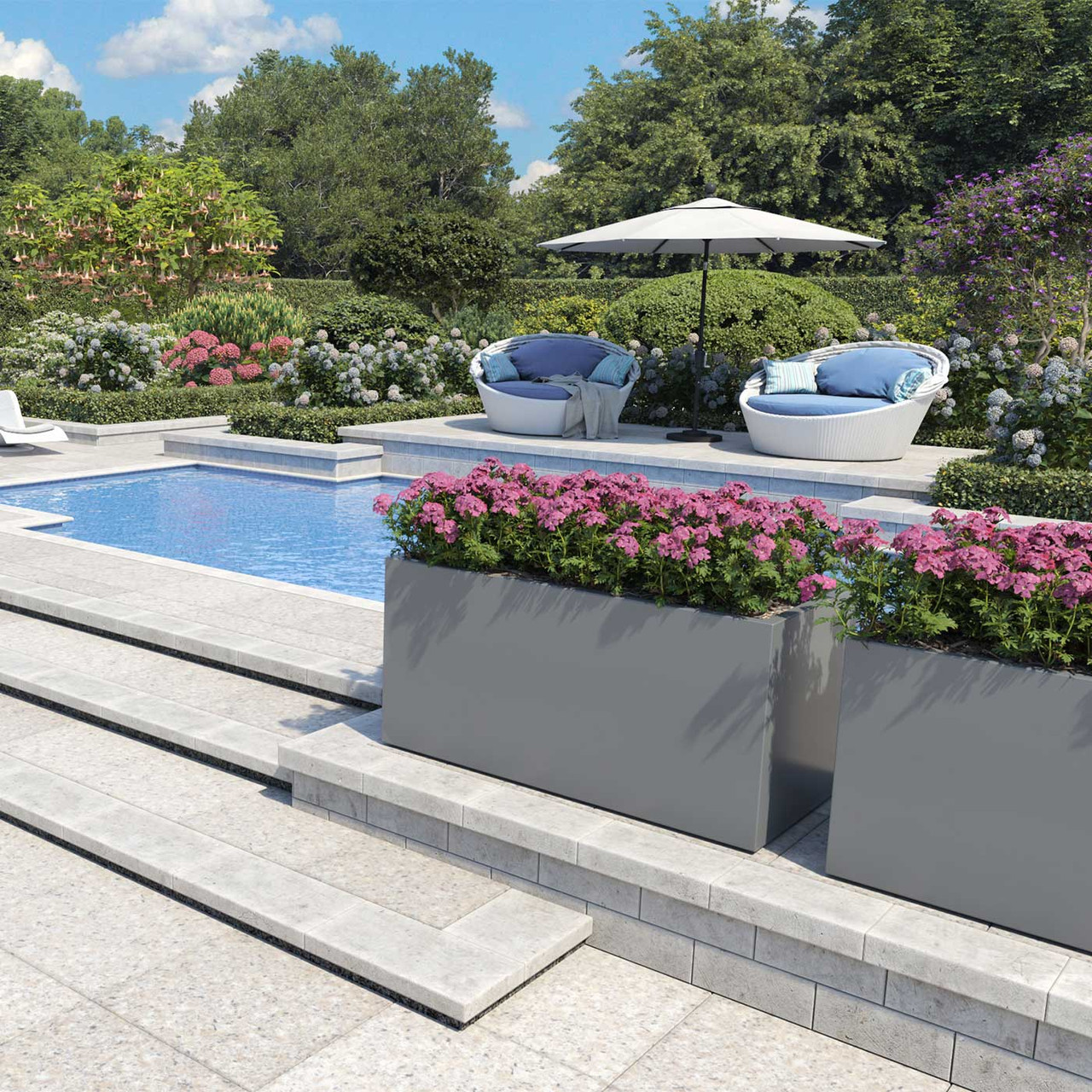
Courtyard and pool deck deliveries often involve finished hardscape, gates, lounge furniture, cleaning paths, equipment access, and staged installation.
Large planters may need to move through gates, service paths, corridors, amenity areas, or temporary construction routes before final placement. Confirm the movement path before ordering.
Multi-location planter programs need more than product consistency.
Plan for consistent formats, repeatable finishes, split shipments, phased rollouts, replacement units, future matching, and receiving across multiple addresses, buildings, stores, restaurants, or property zones.
For franchise, retail, multifamily, hospitality, or portfolio work, delivery planning should support both the first order and future reorders.
Receiving Checklist Before Ordering
Use this checklist before placing a commercial planter order.
Delivery address
Contact person
Phone number
Receiving hours
Loading dock availability
Curb access
Gate codes or site restrictions
Security check-in requirements
Freight elevator dimensions
Doorway dimensions
Hallway dimensions
Access path measurements
Stair or elevator limitations
Rooftop access
Courtyard access
Pool deck access
Balcony or unit access
Staging location
Finished surface protection
Who receives the freight
Who moves planters to final location
Who inspects the shipment on arrival
Who documents damage if needed
Installation timeline
Planting timeline
Whether phased delivery is needed
The earlier these details are confirmed, the easier it is to avoid delivery-day surprises.
Staging, Installation, and Final Placement
Delivery is not the same as installed placement.
Commercial planter projects should clarify where planters will sit before installation, whether they need to be moved again, who handles final placement, and whether they are placed before or after planting.
Plan the sequence for:
Delivery
Receiving
Inspection
Staging
Final placement
Liners, reservoirs, saucers, risers, or drainage setup
Soil and drainage material
Planting
Irrigation coordination
Maintenance access
Finished surface protection
Many projects place planters first and plant them on site because soil, water, drainage material, liners, reservoirs, and plant material add filled weight.
Coordinate delivery with landscape crews, installers, property teams, maintenance teams, and any schedule tied to opening, renovation, lease-up, patio season, or construction.
Large, Long, Tall, and Tree Planter Delivery Considerations
Different planter formats create different delivery questions.
Large Planters
Large planters give commercial spaces the scale they need, but they require access planning.
Check the planter dimensions against loading docks, gates, doors, elevators, corridors, rooftop access, courtyards, pool decks, and staging areas before ordering.
Material affects freight, receiving, movement, placement, and replacement planning.
Fiberglass Planters
Fiberglass is a practical default for many commercial planter delivery projects.
Fiberglass planters are:
Lighter than concrete when empty
Available in large, long, tall, square, round, tree, privacy, and planter-box formats
Easier to receive and place than heavier materials
Useful for coordinated multi-planter and multi-location projects
Easier to match across phases and replacements
Fiberglass can help projects get commercial scale without concrete-level empty weight, but the planter dimensions and access route still need to be confirmed.
Concrete planters can make sense for permanent ground-level installations where weight is acceptable and real concrete is required.
The tradeoffs are freight complexity, receiving requirements, installation planning, equipment needs, movement difficulty, and replacement complexity.
Concrete is usually less practical for rooftops, upper floors, interiors, balconies, or difficult access routes.
Metal, Wood, Ceramic, Plastic, and Resin Planters
Other materials may work in specific settings, but each has delivery and handling tradeoffs.
Metal planters may involve custom fabrication, lead time, denting risk, and finish protection. Wood planters may be lighter than concrete but need protection from damage, weathering, staining, and movement wear. Ceramic and terracotta planters may be fragile. Plastic and resin planters may be lighter but may not provide the finish quality, scale, durability, or commercial presence needed for many projects.
Drainage, Planting, and Delivery Sequence
Delivery planning should connect with drainage and planting decisions.
Before ordering, decide whether liners, reservoirs, saucers, risers, or drainage options are needed.
Drainage options can be selected at order and should be coordinated with the site, planting plan, and maintenance approach.
Also confirm whether planters will move empty or after planting.
Soil, water, drainage material, liners, reservoirs, and plant material add filled weight. In many commercial projects, planters are placed first and planted on site.
Irrigation coordination may affect placement, especially for rooftops, courtyards, pool decks, patios, multifamily amenities, and restaurant spaces.
Planning Delivery for Commercial Planters, Large Planters, or Planter Boxes?
Send us your project type, planter locations, quantities, target sizes, delivery address, access path, staging constraints, desired installation timing, drainage needs, planting plan, and timeline.
We can help recommend planter formats that fit the site, support the planting plan, and work with the practical requirements of delivery, receiving, and placement.
Commercial planters may ship by freight depending on size, quantity, and order details. Delivery should be planned around the delivery address, receiving contact, access path, staging area, and who moves the planters after delivery.
What does curbside delivery mean for large planters?
Curbside delivery generally means delivery to the curb or accessible delivery point. It does not mean inside delivery, rooftop placement, final installation, or movement to the final planter location unless those services have been specifically arranged.
What should I check before ordering large planters?
Confirm planter dimensions, delivery address, loading dock or curb access, doorways, gates, elevators, corridors, rooftop or courtyard access, staging location, receiving contact, and who will move and place the planters.
Do planter dimensions matter more than weight?
Both matter. A planter may be light enough to move but still too long, tall, wide, or awkward for the access path. Check dimensions against the real delivery route.
Who should receive commercial planter freight?
A designated contact should be available to receive the shipment, inspect it, coordinate site access, and document any freight concerns if needed.
Can large planters be delivered to rooftops, courtyards, or pool decks?
Large planters can be used in many rooftop, courtyard, or pool deck projects, but delivery access, staging, filled weight, drainage, and final placement should be coordinated before ordering.
For commercial rooftops, balconies, terraces, and elevated decks, final placement and load approval should come from the structural engineer of record where applicable.
Should planters be planted before or after delivery?
Many commercial projects place planters first and plant them on site because soil, water, drainage material, liners, reservoirs, and plant material add filled weight. The right sequence depends on the project.
What should I know about delivery for multi-location planter orders?
Multi-location orders should plan for delivery addresses, receiving contacts, phased timing, consistent finishes, replacement needs, and whether shipments should be split or coordinated by location.