How to choose privacy planters for patios, rooftops, balconies, restaurants, multifamily properties, offices, hospitality spaces, and commercial outdoor projects.
Privacy planters are not just decorative pots.
They are space-planning tools.
A restaurant uses them to separate diners from a sidewalk. A multifamily property uses them to divide a pool deck into smaller zones. A rooftop terrace uses them to soften exposed edges. A balcony uses them to create screening without giving up too much floor space.
The planter creates the structure. The planting creates the screen.
That is the key.
A privacy planter has to do two jobs at once: hold the planting and shape the space.
This guide will help you choose the right privacy planter format for patios, rooftops, balconies, restaurants, multifamily properties, offices, hospitality spaces, and commercial outdoor projects.
For commercial projects, the best privacy planter is usually the one that balances screening, footprint, plant health, drainage, wind exposure, and long-term maintenance.
Why Privacy Planters Are Different
Most planters are chosen for appearance.
Privacy planters are chosen for a job.
They are used to:
Separate seating areas
Create outdoor rooms
Screen sidewalks or parking lots
Add privacy on balconies and rooftops
Define commercial patios
Guide traffic
Soften exposed edges
Avoid permanent walls or fencing
That makes the buying decision different. You are not only asking, "Does this planter look good?"
You are asking:
Does it create enough separation?
Does it support the right plant material?
Does it fit the available footprint?
Can it handle wind, drainage, and outdoor exposure?
Can staff, guests, residents, or customers still move through the space?
Will the screen look intentional from both sides?
The right privacy planter solves the space problem without making the space feel blocked off, crowded, or overbuilt.
Where Privacy Planters Are Used
Restaurant Patios
Restaurant patio privacy planters are usually doing more than one job.
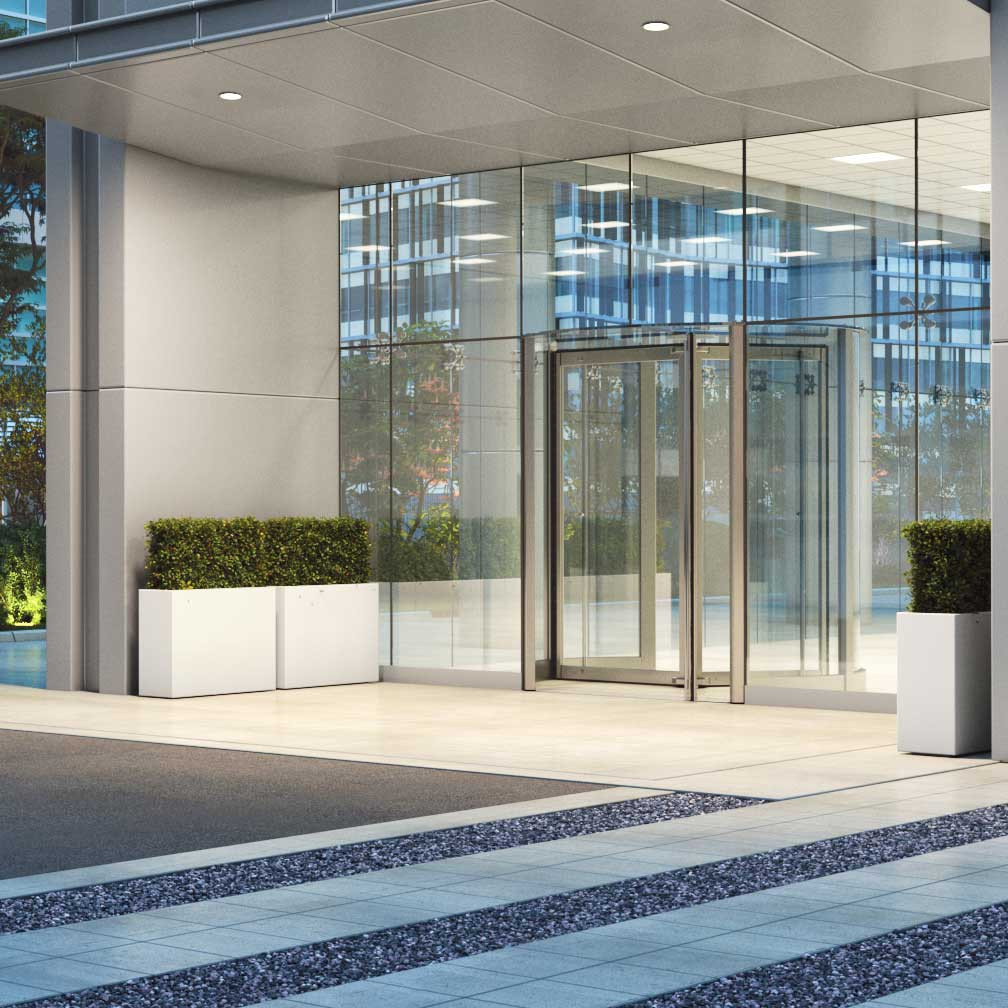
They separate diners from sidewalks, parking areas, service paths, neighboring tables, or street traffic. They can also create a stronger outdoor dining atmosphere without building a permanent wall.
For restaurants, the best formats are usually long rectangular planters, modular planter boxes, or large planter boxes that can define a patio edge.
Rooftop terraces often need privacy, but they also need careful planning.
Wind, filled weight, access, drainage, and maintenance all matter. A rooftop privacy screen should not be chosen from a product photo alone.
Large fiberglass privacy planters can be useful because they provide size and structure without the empty weight of concrete. But the planting plan still matters. Tall grasses, shrubs, hedging plants, and small trees all behave differently in wind.
For commercial rooftops, balconies, terraces, and elevated decks, final placement and load approval should come from the structural engineer of record. For more, see our Rooftop Planters Buying Guide.
Balconies and Decks
Balconies and decks usually have limited depth.
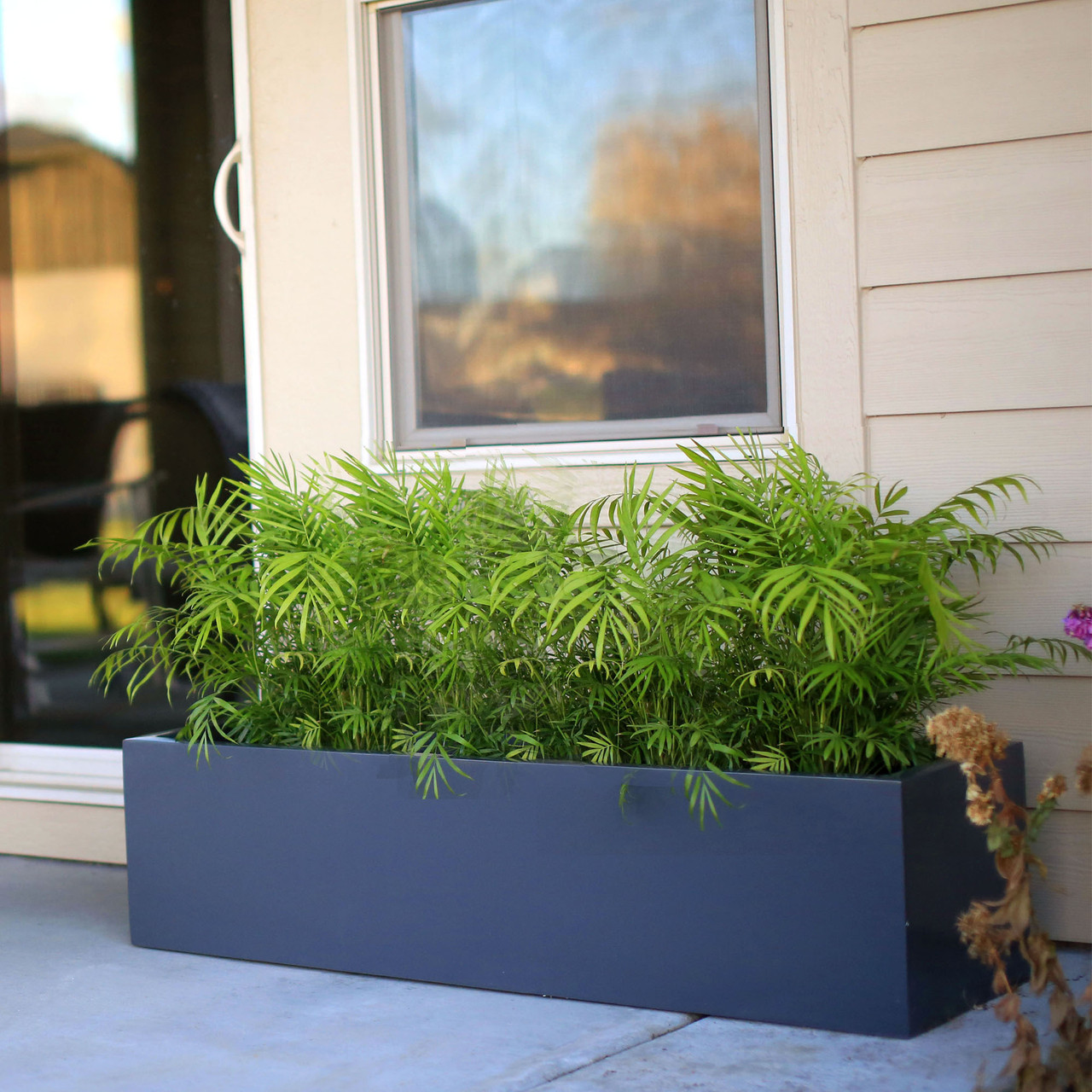
That makes narrow privacy planters and tall planter boxes useful. They can add screening without taking over the floor plan.
For privacy planters for balconies, the main constraints are:
Hotels and hospitality spaces need privacy without making the space feel closed off.
Privacy planters can separate lounge areas, screen service paths, define outdoor dining, soften pool decks, and make entries feel more polished. See our Hotel Planters Buying Guide for resort use cases.
High-End Residential Exteriors
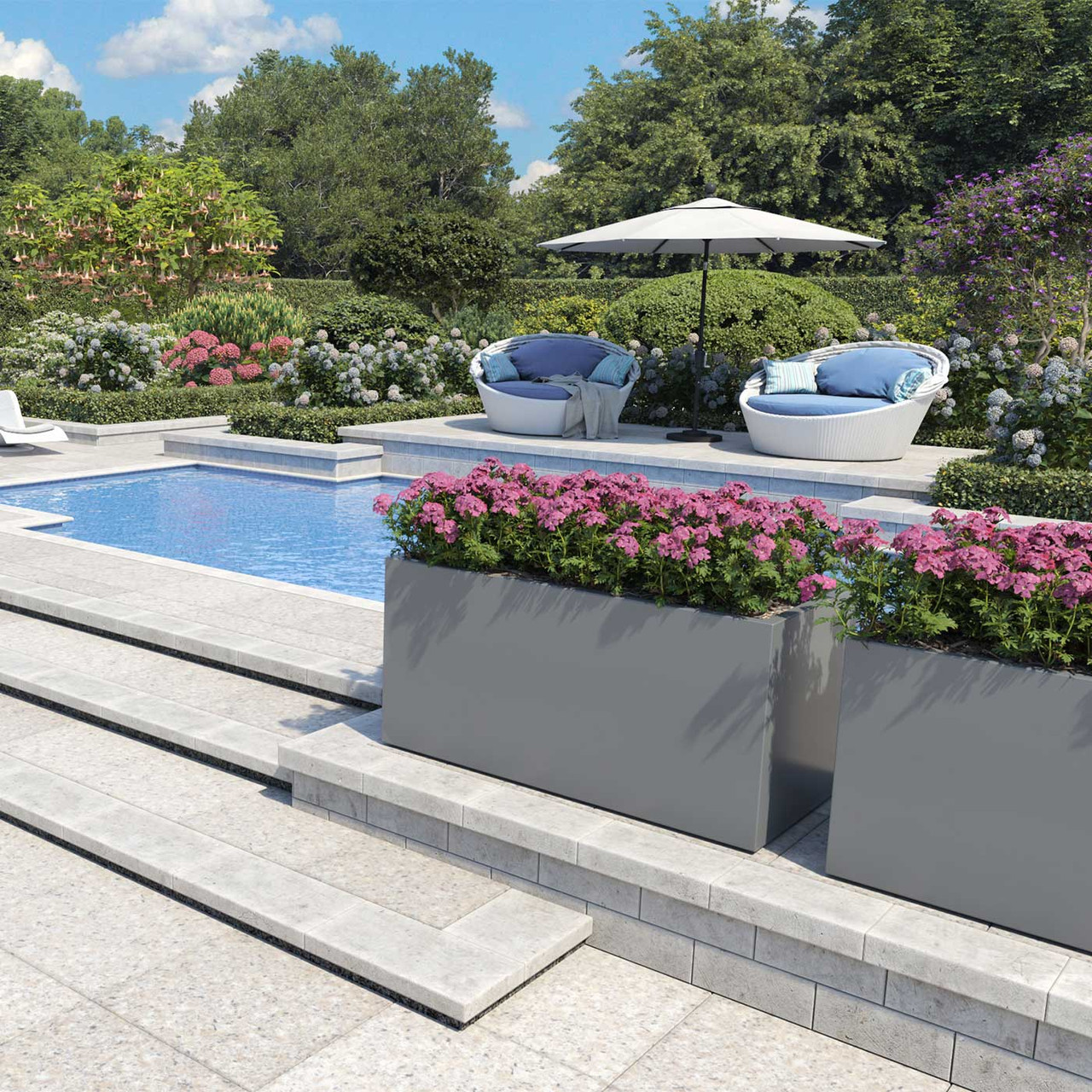
High-end residential designers use privacy planters to screen neighbors, streets, pool areas, patios, balconies, and exposed edges.
Long rectangular planters are best for continuous privacy runs across patio edges, walkways, and commercial boundaries.
Browse long planters when the project needs a clean run.
Tall Narrow Planter Boxes
Tall narrow planter boxes work well when floor space is limited, providing vertical privacy without taking over floor depth.
Modular Planter Boxes
Modular planter boxes work when a project needs repeatable runs and flexible access points.
Tall Planters
Tall planters create vertical screening for entries, doors, and corners.
Low Profile Planters
Low profile planters are best when you need separation without blocking views.
Large Planter Boxes
Large planter boxes are best when root volume, stability, and substantial scale matter. For commercial box specifications, see our Commercial Planter Boxes Buying Guide.
Planter Height vs. Plant Height
The planter does not need to provide all the height; the plant material completes the screen.
A shorter planter with the right planting can outperform a tall planter with the wrong plant. For year-round screening, explore our list of the 6 best evergreen plants for pots.
Weight, Wind, and Stability
Privacy planters often hold taller plant material, which catches wind on rooftops, balconies, terraces, pool decks, and exposed patios.
Filled weight includes soil, water, drainage material, and plants. To manage weight without compromising ballast or root health, see our guide on how to fill a large planter using lightweight pot fillers.
For elevated spaces, confirm placement, filled weight, and load requirements with the project's structural engineer of record before ordering.
Material Choice for Privacy Planters
Fiberglass is often the practical default for commercial privacy planters because privacy applications need long runs, tall formats, outdoor durability, and finish consistency across multiple pieces with lower empty weight than concrete.
Outdoor privacy planters need a drainage plan. To coordinate drainage holes, reservoirs, or liners, refer to our Planter Drainage Guide.
Recommended PPM Privacy Planters
These are common starting points for privacy planter projects. The right choice depends on run length, height needs, site conditions, plant material, finish, and timeline.
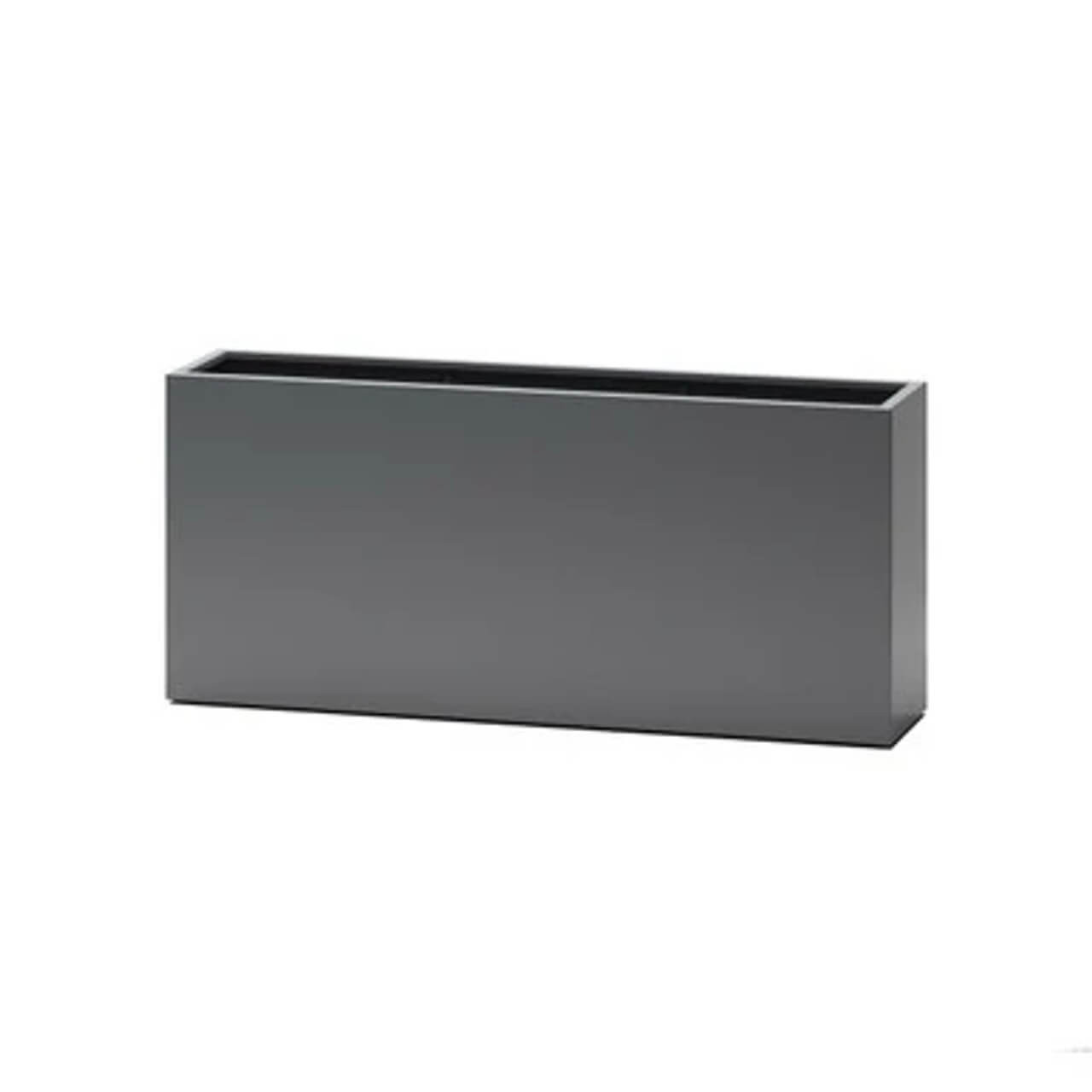
Tolga Long Rectangular Planter
Best for: Restaurant patios, long privacy runs, commercial edges, walkways, and dividers.
A long rectangular fiberglass planter that creates cleaner privacy runs with fewer pieces and less visual clutter.
Planning a privacy planter project for a restaurant patio, rooftop deck, or commercial boundary? Our privacy planters and commercial planter boxes offer the structural scale, UV stability, and severe weather durability required for high-visibility spaces. Backed by a 3-year warranty and available in 20+ professional finishes. Call us at (888) 381-9501 or reach out to our team for custom trade quotes and volume lead times.
Privacy planters are planters used to create screening, separation, traffic control, or visual softness in outdoor and indoor spaces. They are commonly used on patios, balconies, rooftops, restaurant seating areas, multifamily amenities, offices, hotels, and commercial properties.
What type of planter is best for privacy?
Long rectangular planters, tall narrow planter boxes, modular planter boxes, and large planter boxes are often best for privacy. The right format depends on the run length, desired height, plant material, site exposure, and available floor space.
How tall should privacy planters be?
Privacy height comes from both the planter and the plant material. The planter does not need to provide all the height. A shorter planter with tall grasses, shrubs, ficus, palms, bamboo-style planting, or hedging can create effective screening.
What plants work best in privacy planters?
Common privacy plantings include tall grasses, shrubs, bamboo-style plantings, ficus, palms, hedging plants, and seasonal plantings. The best choice depends on climate, sun exposure, maintenance, desired privacy level, and whether the screen needs to work year-round.
Are privacy planter boxes good for restaurant patios?
Yes. Privacy planter boxes are often a practical choice for restaurant patios because they can separate diners from sidewalks, parking areas, service paths, and adjacent tables without building a permanent wall.
Can privacy planters be used on balconies or rooftops?
Yes, but weight, wind, drainage, access, and structural approval matter. For commercial rooftops, balconies, terraces, and elevated decks, final placement and load approval should come from the structural engineer of record.
Do privacy planters need drainage holes?
Outdoor privacy planters usually need a drainage plan. Depending on the site and planting, that may include drainage holes, risers, liners, reservoirs, or irrigation coordination.
Are fiberglass planters good for privacy screens?
Yes. Fiberglass planters are often a good choice for privacy screens because they are lighter than concrete, durable outdoors, available in long and tall formats, finish-flexible, and practical for repeatable commercial runs.
How do I create privacy without building a wall?
Use long or tall privacy planters with the right plant material. The planter creates structure, and the planting creates the screen. This can separate patios, balconies, rooftops, pool decks, offices, and commercial spaces without permanent construction.