Loading cart...
Potted Plants That Survive Winter Outside
Posted by Jason Wyrwicz on May 28th 2024
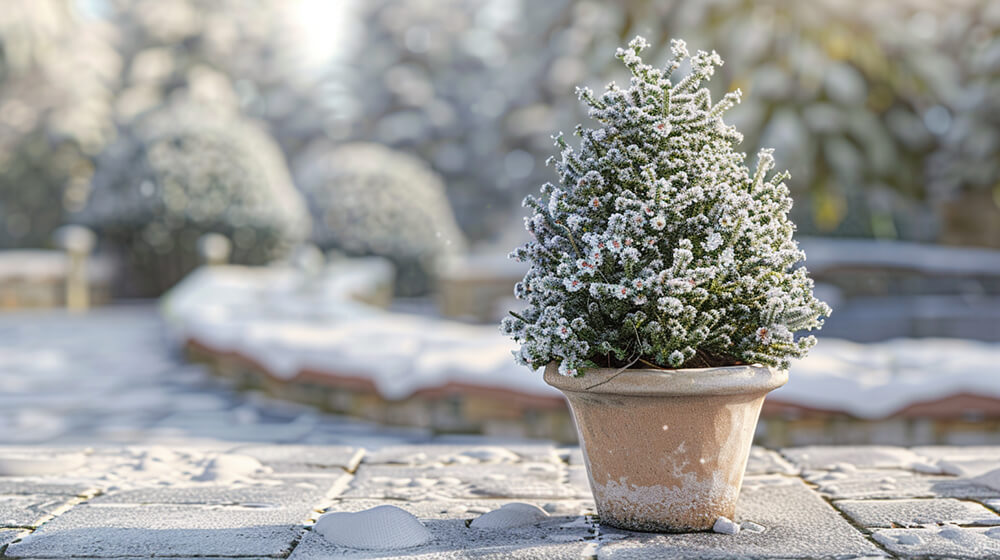
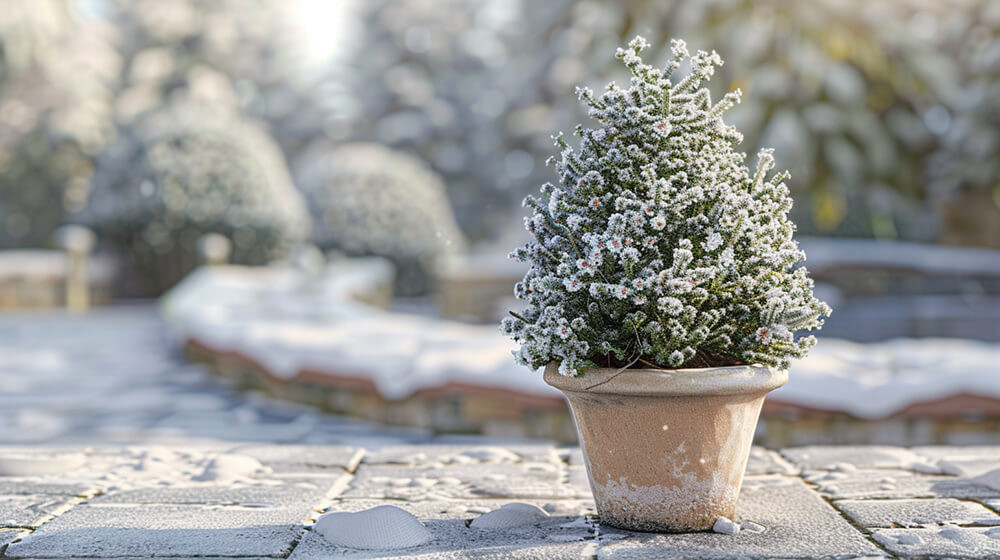
When the cold weather hits, most patio pots and planters get emptied because their contents will not tolerate freezing temperatures and frost. However, you do not need to give up on enjoying plants and greenery outside over winter. There are varieties of shrubs, flowers, herbs, and other plants that can withstand the cold while adding year-round interest and color to your patio, porch, or balcony, especially when they are paired with durable fiberglass planters built to handle real winter conditions.
Boxwood
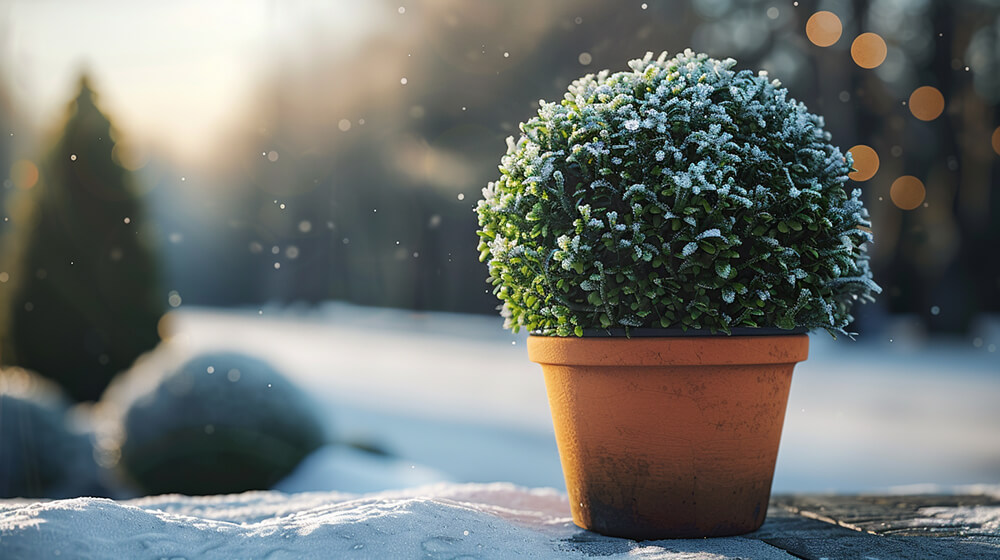
Boxwood has long been known as one of the best plants for landscaping because it is easy to shape and can survive the winter months while still keeping its green foliage all year round. While there are many varieties of this evergreen shrub, one that does particularly well when potted is the Dwarf English Boxwood.
Ornamental Kale
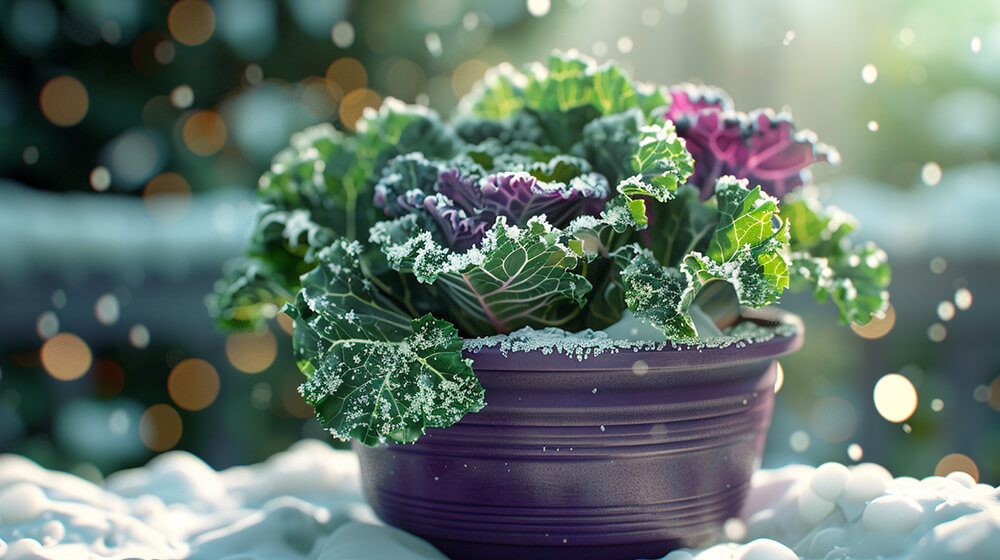
If you want to ensure that your garden, patio, balcony, or entry stays colorful even during cold winter months, ornamental kale is worth your attention. Not only will it add a pop of color to your winter days, but it is also low maintenance, making it a strong choice for anyone who does not want a fussy planting plan.
Winter Heather
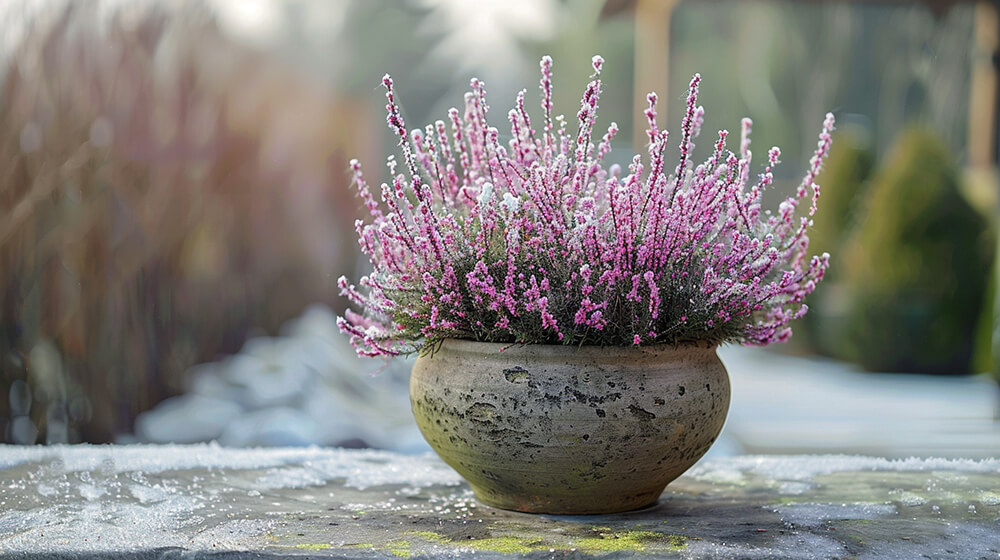
Winter heather, also sometimes called winter heath, is the perfect plant for anyone who wants to see blooms even when there is snow outside and the temperatures drop. As you can guess from the name, it actually blooms during fall and winter rather than spring or summer, ensuring your patio is full of color all year round. Typical winter heather colors include white, pink, purple, red, and gold.
Coral Bells
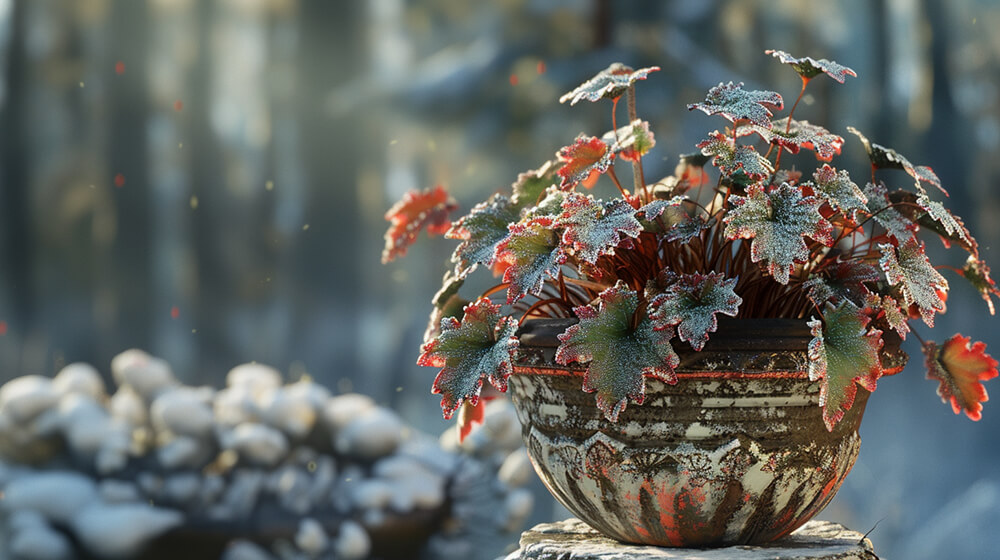
Coral bells are a good choice for most climates. While they will thrive best in milder climates where they remain evergreen, they can also survive in colder climates, although they might lose part of their foliage. Typical coral bell colors include purple, yellow, caramel, and green.
Violas
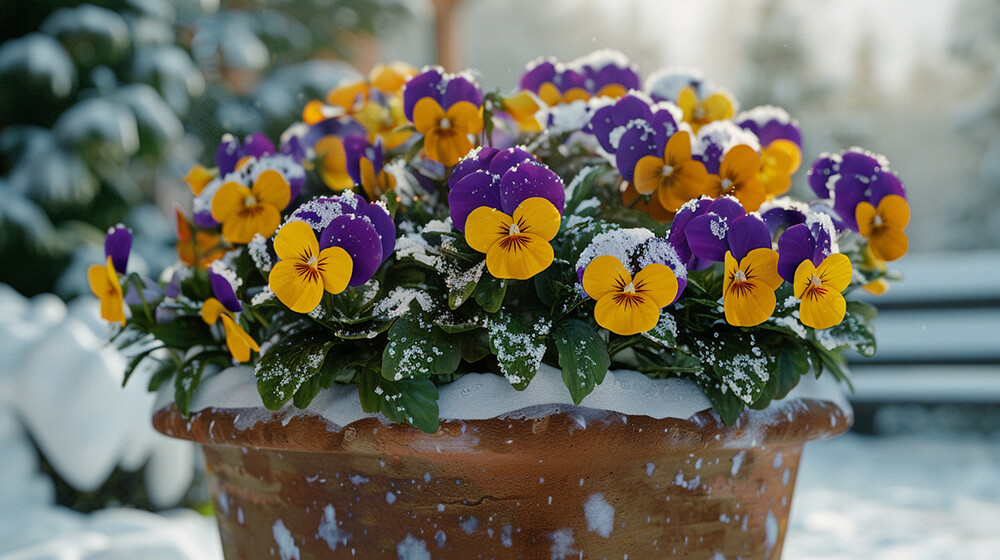
We could not forget about the winter flower staple: violas. They are one tough plant, and aside from being cold-resistant, they can actually bloom during the winter months, which makes them a bit of an anomaly in the flower world. They grow well in landscape beds, but you can also add them to your outdoor planters, and they will be just fine. Some of the common colors you can see are various shades of violet, blue, yellow, white, and cream.
The best part about violas? They are actually edible. You can use them in your salad to add more flavor or in drinks and cakes as decoration.
Here, we should also mention pansies. They are commonly listed when talking about the best pot plants for winter, but what you might not know is that pansies are actually violas. They are the result of breeding traditional violas with their wild varieties. All pansies are violas, but not all violas are pansies. Just like violas, pansies are also edible.
Kinnikinnick (Bearberry)
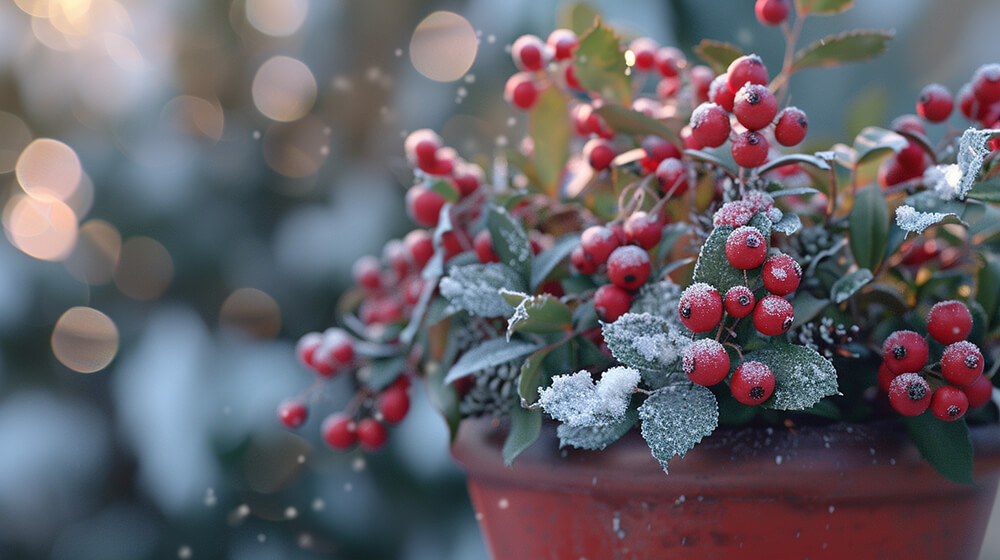
Bearberry is another great option for anyone who wants to add a pop of color to their garden during the winter months. It grows pretty low to the ground and can survive winter, even in freezing conditions. Kinnikinnick is easily recognized because of the red berries that stay on the shrub until spring.
Other Honorable Mentions
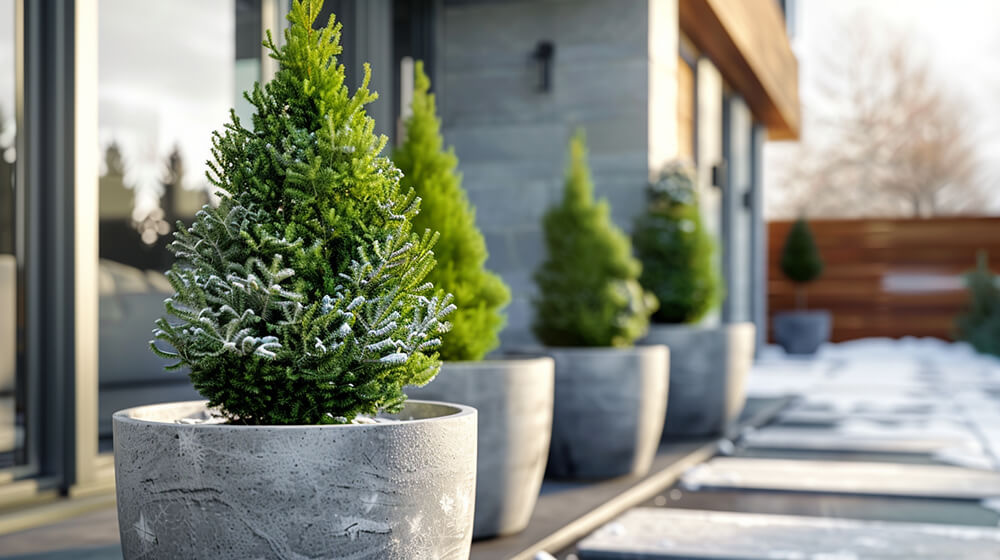
We mentioned a couple of the most popular plants that can survive winter, but there are many more, so here are a few additional ones:
- Pines, Pines can survive winter months because of their pine needles, which reduce water loss once freezing temperatures start.
- Herbs, Not all herbs are cold-hardy, but several will continue to grow as long as you take a few precautions. Those herbs include chives, mint, oregano, parsley, sage, and thyme.
- Winter jasmine, As indicated by the name, winter jasmine will bring beautiful yellow blooms to your outdoor space as early as January.
- Arborvitae, This type of container tree is not only evergreen but also quite tall, growing on average from 10 to 60 feet.
- Wintercreeper, This broadleaf evergreen shrub is known for its green and yellow or white leaves, which are often the reason people plant it in their garden in the first place.
Caring for Container Plants Over Winter
Keeping potted plants healthy over winter can require special care and maintenance because they are exposed to harsh winds, precipitation, frost, and rapid temperature swings that can damage more vulnerable plants.
However, implementing a few simple overwintering techniques will help patio pots not just survive but thrive through the colder months, especially when you combine cold-hardy species with insulated outdoor planters that protect roots from repeated freezing and thawing.
Provide Shelter
In very cold climates, the easiest solution is to give vulnerable potted plants added protection. Place pots in a sheltered spot like under the eaves of a covered porch, on the leeward side of buildings, or behind evergreen hedge rows that block wind. Mini cold frames made of straw bales or clear plastic domes can also insulate containers. For lightweight pots, sink them into the ground and pack dry leaves, pine needles, or bark chips as mulch around them.
Use Portable Cold Protection
When hard freezes threaten, take advantage of old bed sheets, burlap, horticulture fleece, or floating row covers to cloak plants overnight. Just remove any coverings the next day so plants underneath can benefit from winter sunlight. Low wattage outdoor string lights carefully strung over containers can provide sufficient radiant heat to keep soil and roots from freezing.
Water Wisely
Even plants that go dormant need moisture over winter, but avoid overwatering because it can lead to root rot in cold soil. Check the water regularly and water lightly if the top few inches become crumbly dry. Adding moisture-retaining amendments like peat, coconut coir, and worm castings to potting mixes further reduces watering needs. When watering containers in freezing weather, water early in the day to allow excess to dry before night temperatures plummet. You can also consider using a self-watering planter.
Fertilize and Prune Selectively
While most plants rest through winter, evergreens and cold weather bloomers benefit from light monthly feeds of balanced liquid fertilizer or water soluble plant foods until midwinter. Hold off heavy pruning until just before spring growth resumes, but snip back damaged stems and remove fallen leaves and debris to prevent the spread of disease.
Use the Right Container Size
Since it is harder to repot plants while dormant over winter, make sure container plants have enough room before cold weather arrives. Roots need space to expand, but the planter should not be so oversized that wet soil sits around the roots for weeks. For larger shrubs or small trees, choose a container with enough interior volume to protect the root system while keeping the planting stable through wind, freeze-thaw cycles, and winter watering.
Rotate Plantings
If certain container plants struggle or fail to make it through winter multiple years in a row, use the opportunity to try something new. Shift vulnerable specimens to protected indoor areas before winter hits, place them in a cold frame, or replace them with hardier varieties better adapted to exterior wintering in your particular environment. This avoids wasting time and resources trying to specialize plants that are not fully suited.
Final Words
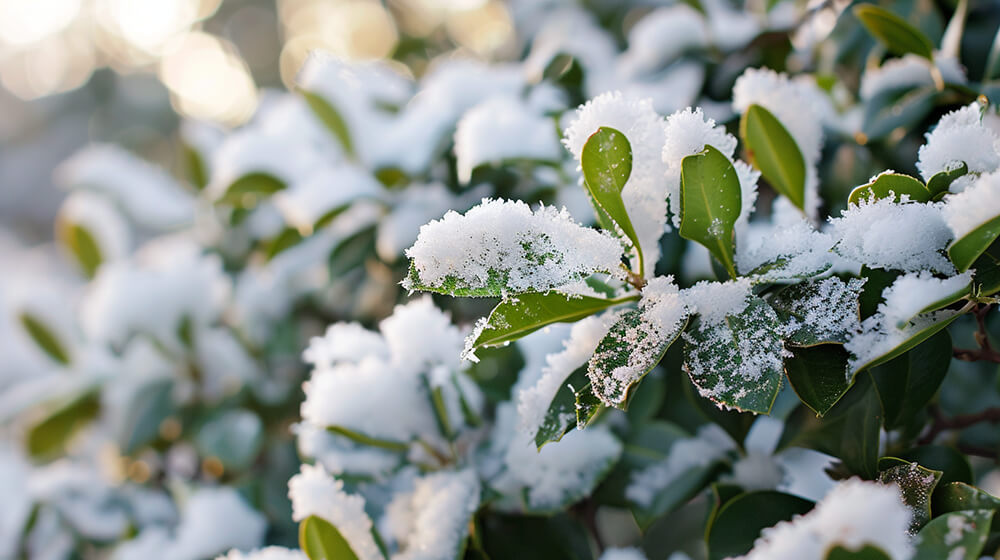
No matter the prevailing conditions outside, some potted plants can withstand and even embrace winter’s bite, ensuring your patio, porch, or balcony maintains vibrancy and charm year-round. By selecting varieties of cold-hardy container plants suited to your climate and pairing them with outdoor planters designed for winter, you can create stunning off-season displays that look intentional, not improvised.