Loading cart...
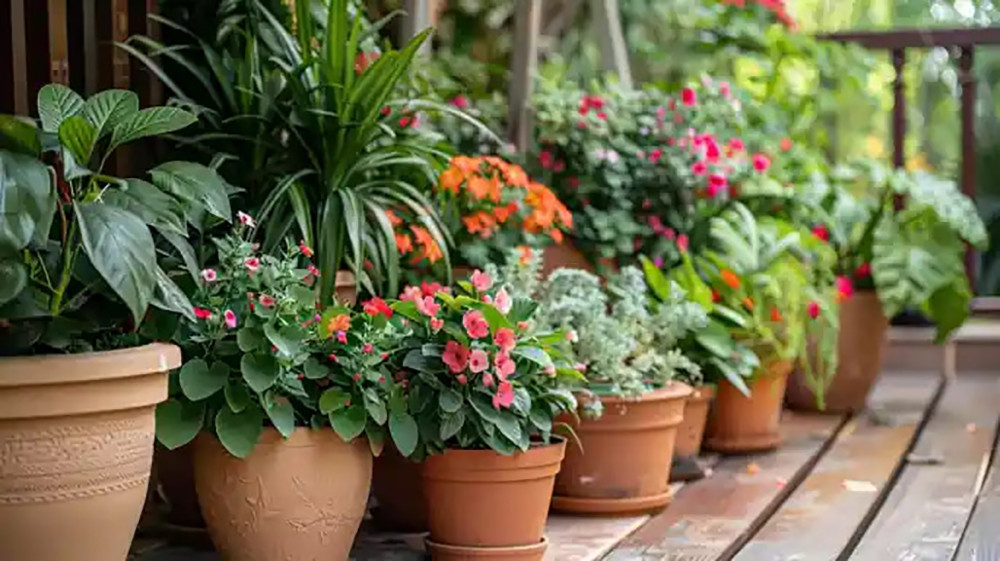
Low-Maintenance Outdoor Potted Plants
Posted by Jason Wyrwicz on Jul 16th 2024
Finding time to maintain outdoor plants is hard, and not just for homeowners. The same problem shows up at offices, restaurants, and mixed-use buildings where someone still has to keep the entry planters alive and presentable. The fastest way to lose curb appeal is dead pots at the front door.
That is why low-maintenance outdoor potted plants matter. They are not “no maintenance,” but they are forgiving. They tolerate heat, wind, and the occasional missed watering. They also recover better after a rough week, which is what you want when life or staffing gets in the way.
If you want greenery on patios, porches, stoops, decks, or balconies, it helps to think beyond plant choice and consider how plants behave in real containers. Container conditions are harsher than in-ground planting. Soil dries faster, roots run out of room, and hot surfaces can cook a pot in afternoon sun. If you are planning anything more exposed, or you are managing multiple planters across a property, that reality becomes the whole game. For container setups built for weather and long-term exterior exposure, start with outdoor planters designed for real exterior conditions.
Key Points
- Low-maintenance outdoor potted plants are forgiving plants that handle missed waterings, heat, and exposure better than delicate seasonal options.
- They are a practical choice for homeowners who travel or get busy, and for properties where planters must look cared-for between maintenance visits.
- In containers, “low-maintenance” depends on plant toughness plus the basics: enough soil volume, proper drainage, and sane sun and wind exposure.
- Reliable low-maintenance picks include purple fountain grass, rosemary, easy-care roses, garden sage, winter jasmine, fuchsia (in the right light), thyme, and Japanese maple.
- Planter selection matters. A tough plant in the wrong container can still fail fast.
When Low-Maintenance Plants Make Sense (Homeowners vs Properties)
Low-maintenance container plants solve two slightly different problems, depending on who is responsible for keeping them alive.
- For homeowners and residents: fewer weekend chores, fewer plants lost during vacations, and containers that look good with basic care.
- For properties and businesses: fewer emergency replacements, simpler maintenance routes, fewer complaints about dead planters at entries, and fewer “all hands” fire drills before events.
In both cases, the goal is the same. Pick plants that stay upright, stay clean, and keep their color without demanding daily attention.
What Are the Best Low-Maintenance Outdoor Potted Plants?
You have more options than you think. The plants below are commonly chosen because they tolerate container conditions, not because they are trendy. Where it matters, we note how they behave in real exterior sites like south-facing entries, parking-lot edges, and rooftops.
Purple Fountain Grass (Pennisetum purpureum)
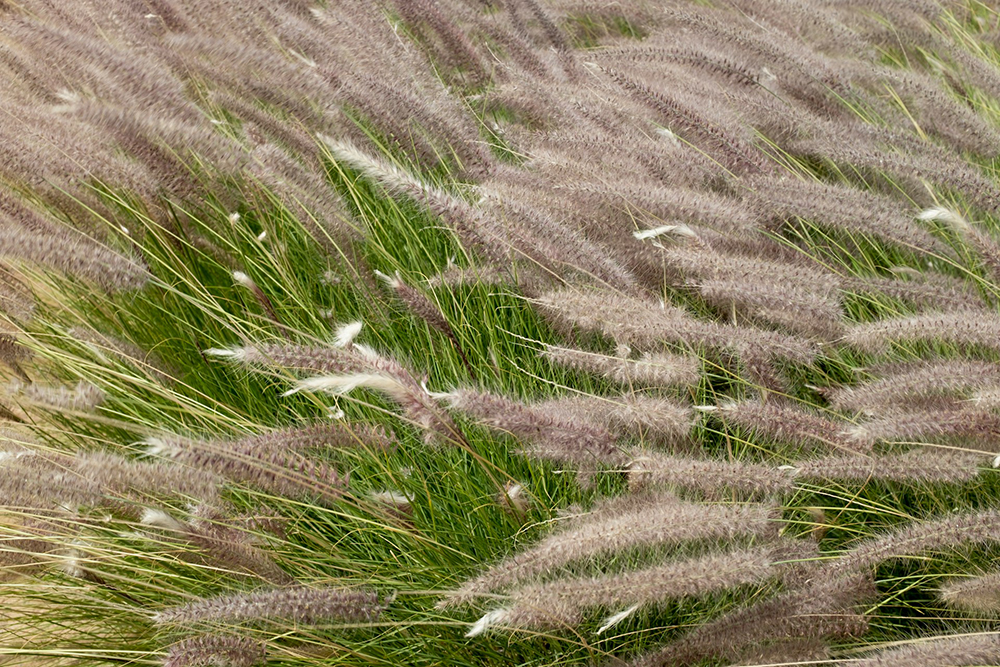
Purple fountain grass (Pennisetum purpureum) is a warm-season ornamental grass known for burgundy foliage and airy, purplish flower plumes.
It is low-maintenance because it does not need constant grooming and it handles heat and dry spells better than many flowering annuals. In containers, it tends to stay more controlled than it does in-ground.
In commercial projects, purple fountain grass is a strong performer along parking-lot edges, rooftops, and plaza borders where wind, reflected heat, and inconsistent watering can stress more delicate plants, especially when it is paired with durable outdoor planters that buffer roots from heat and temperature swings.
It is also a popular choice for taller container applications and screening, which is why it is often paired with tall planters for privacy and screening in patios and shared outdoor spaces.
Rosemary (Salvia rosmarinus)
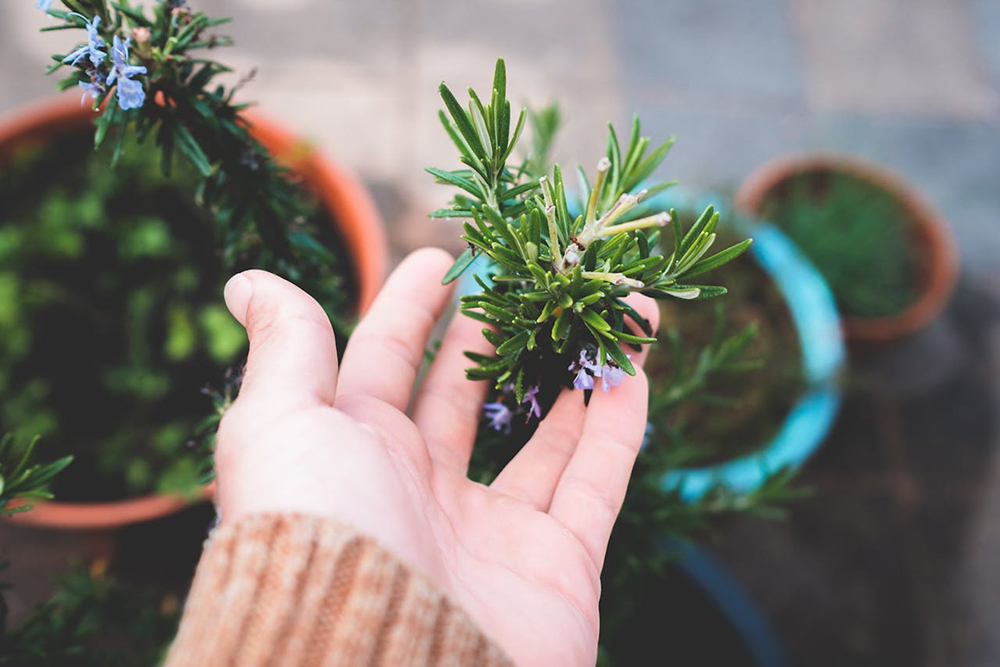
Once rosemary (Salvia rosmarinus) is established, it is tough. It likes sun, prefers drier soil, and does not need constant fertilizer or fussing.
In containers, rosemary does best when it is not babied. Overwatering is the usual failure mode. Let the top of the soil dry, then water deeply and let it drain.
On restaurant patios and hotel terraces, rosemary is a practical pick because it tolerates inconsistent watering and weekend closures better than many flowering plants. Staff already have full workloads, so “forgiving” matters.
Trim it back when it starts to outgrow the container and you will keep it tidy and productive.
Rose (Rosa)
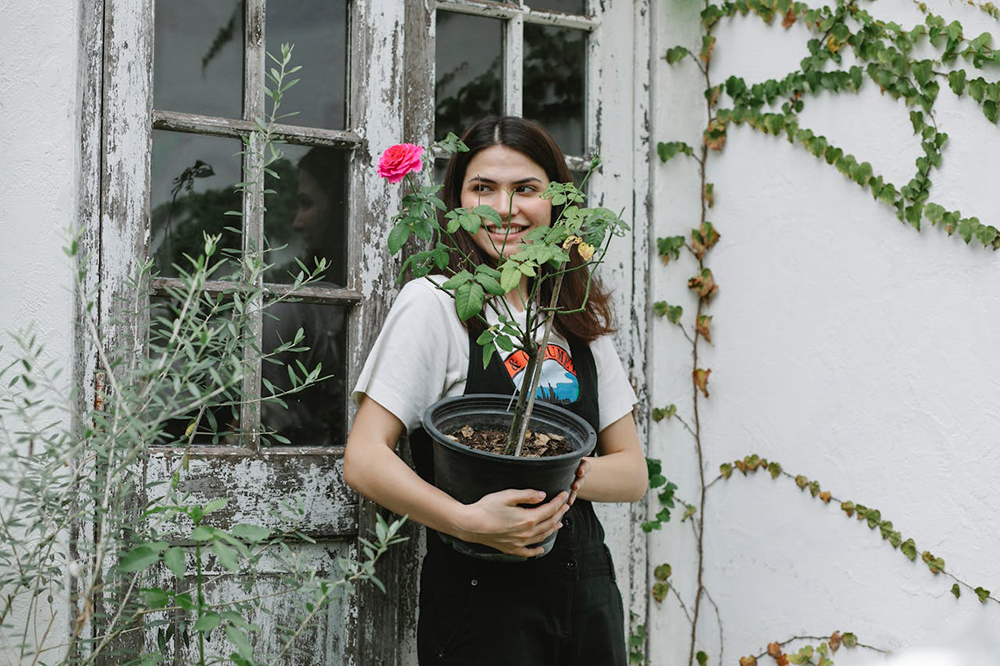
Roses have a reputation for being high-maintenance, but modern cultivars and compact shrub varieties changed that. If you buy a rose labeled “easy care,” you can get long-season color without constant drama.
The basics still matter. Give roses sun, water consistently, and make sure the container drains. If water sits in the pot, roots suffer and the plant becomes a problem fast.
In commercial settings, compact shrub roses are often used at entries and along walkways because they provide color for a long season with relatively simple pruning routines and predictable performance.
These varieties are also used in commercial projects where visible planters need to stay healthy with minimal ongoing care.
Fuchsia
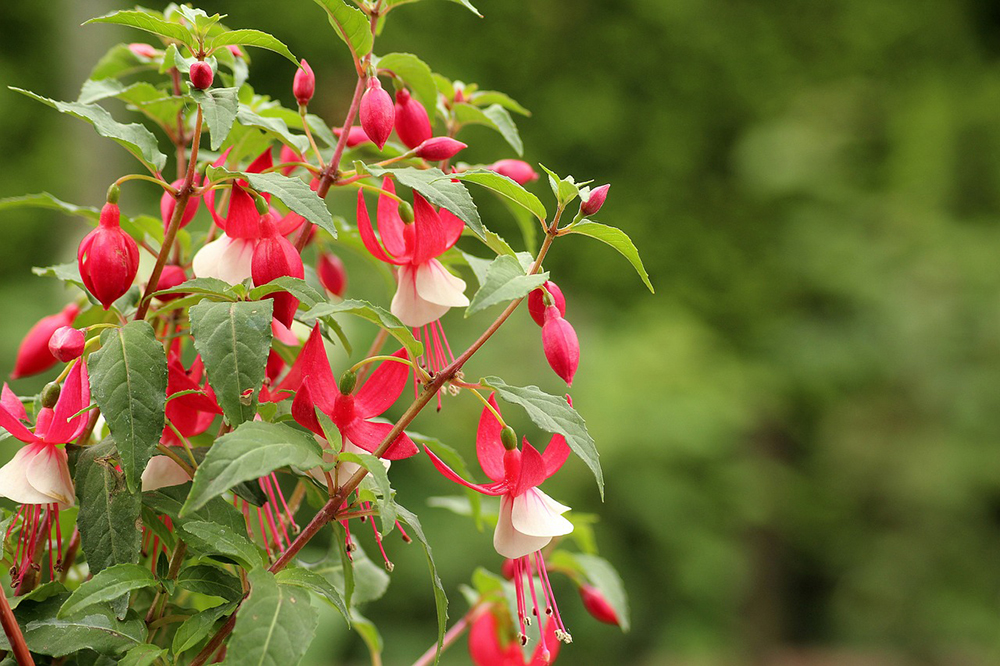
Fuchsia can bring color all summer in cooler climates, especially in spots that get bright light but not harsh afternoon sun.
In containers, fuchsia is less “set it and forget it” than rosemary or thyme, but it can still be low-maintenance when placed correctly. The common mistake is putting it in hot, full-sun locations where it struggles and needs constant watering.
For properties, fuchsia works best in covered patios, shaded courtyards, or north and east exposures where conditions are stable and plants are not getting cooked by reflected heat.
Garden Sage (Salvia officinalis)
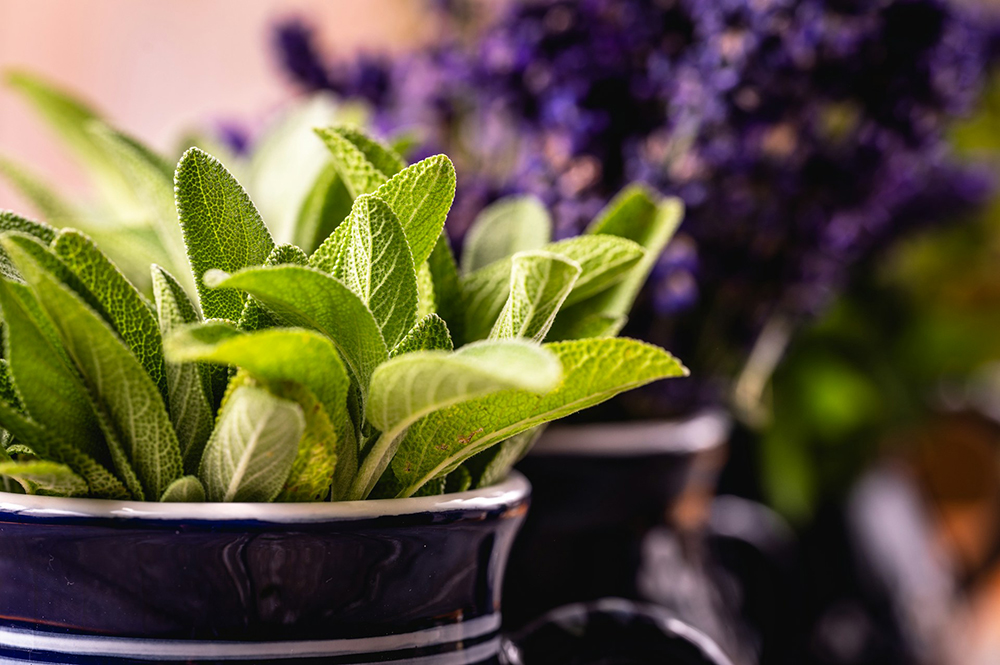
Garden sage (Salvia officinalis) is a classic low-maintenance container plant. It likes sun, prefers drier soil, and generally does not need a lot of intervention.
Once established, sage does not need frequent watering. If you keep it too wet, it will punish you. Trim off dead or leggy growth to keep the shape tidy.
In commercial pots, sage earns its keep because it stays neat, smells good, and handles sunny exposures without needing constant attention.
Winter Jasmine (Jasminum polyanthum)
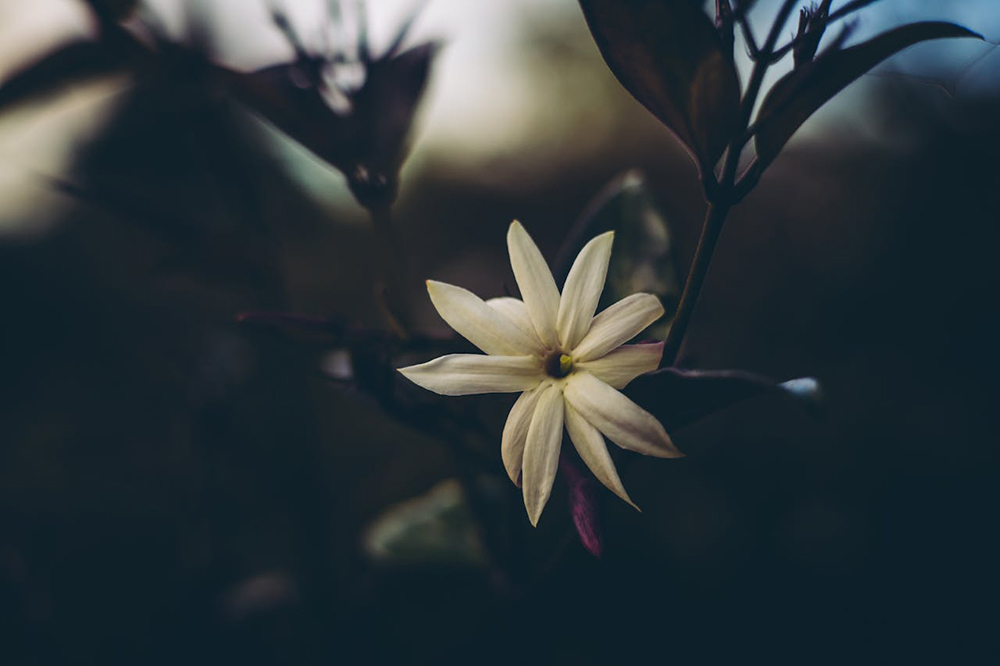
Winter jasmine is a good patio plant if you want seasonal interest without high maintenance. Put it near an entry and it adds a noticeable moment when it blooms.
It is not picky about soil type as long as drainage is good. It tolerates drier conditions, so you can check the soil occasionally and water when it is dry.
For multi-building properties and campuses, plants with winter interest help avoid the “off-season” look where containers sit empty for months. Winter jasmine can help keep planters from looking abandoned.
Common Thyme (Thymus vulgaris)
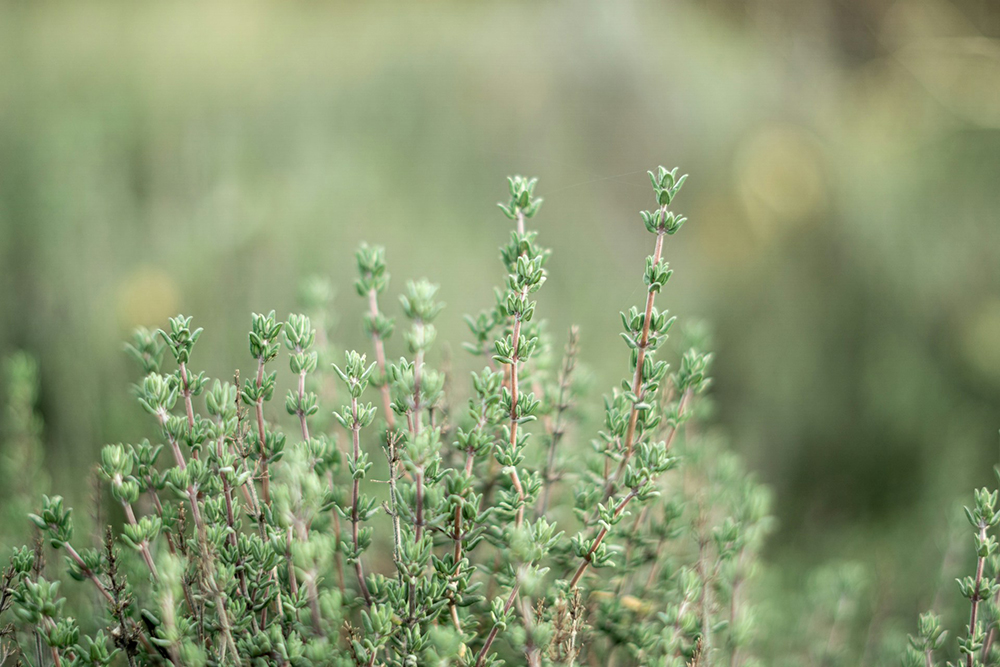
Thyme is one of the easiest container plants to keep alive. It likes sun, tolerates dry soil, and stays compact.
It does not need much fertilizer and it is fairly resistant to pests and diseases. Trim it lightly to keep it dense.
In commercial projects, thyme is useful in patio planters and mixed plantings because it holds up when watering is not perfectly consistent and it still looks intentional, not scraggly.
Japanese Maple (Acer japonicum)
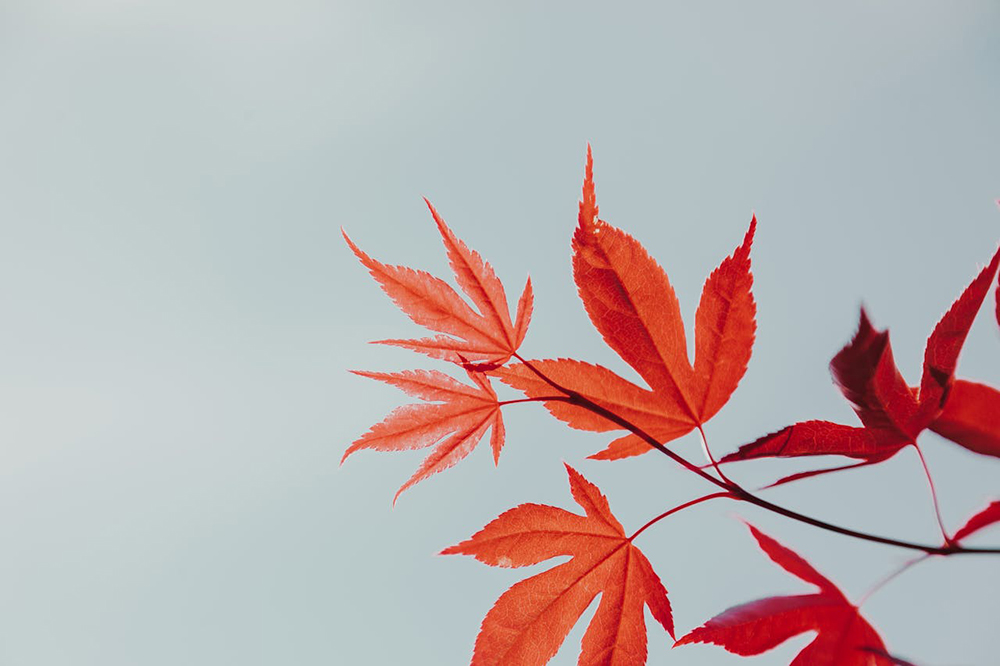
Japanese maple is technically a tree, but it grows slowly enough to work well in a container when the planter has adequate depth and stability.
It does best with well-drained soil that is not soggy, and it prefers consistent watering without sitting in water. In hot climates or exposed sites, afternoon protection can make a big difference.
In courtyards, terraces, and rooftop amenity decks, tree-form plants should be paired with planters designed for trees and shrubs so the root ball has enough room and the container has the mass to stay stable long-term. For plants that need serious root volume, large planters give roots the depth and space they need to establish properly in a container environment.
Why Choose Low-Maintenance Outdoor Potted Plants?
Low-maintenance plants are not about doing nothing. They are about reducing the number of failure points.
Less Work, Fewer Replacements
They reduce how often plants need to be watered, replaced, or pruned. That matters when your time is limited, or when the same staff is also responsible for cleaning, trash, and basic repairs around the property.
More Predictable Results in Containers
Container conditions are harsh. Soil volume is limited, wind dries pots fast, and heat radiates off concrete and façades. Low-maintenance plants are chosen because they tolerate those conditions without collapsing the first time watering slips.
Better Looking Spaces With Fewer Touchpoints
By combining upright grasses, compact shrubs, and trailing plants in the same container, you can build plantings that look intentional and full while still tolerating missed waterings, weekend closures, and heat radiating from paving and building surfaces.
What Makes a Plant Low-Maintenance in a Pot?
Low-maintenance is different in a container than it is in the ground. In pots, the plant has to tolerate the constraints of the container itself.
- Climate tolerance: It handles sun, heat, wind, and temperature swings without constant correction.
- Container tolerance: Roots can handle confined soil volume and the temperature swings that happen inside planters, especially on concrete, rooftops, or near darker building surfaces.
- Watering flexibility: It can thrive with deep watering once or twice a week instead of needing daily attention.
- Drainage compatibility: It performs well with proper drainage and does not demand overly specific soil conditions.
- Irrigation compatibility: It works with basic drip emitters or simple hand-watering routines used at entries and patios.
The Bottom Line: Pairing Plants With the Right Outdoor Planters
Low-maintenance plants perform best when the planters supporting them are designed for real outdoor conditions. In containers, soil volume, drainage, and material all influence how well these species handle heat, wind, and irregular watering on patios, rooftops, and at building entries.
If your main constraint is weather exposure, start with outdoor planters designed for low-maintenance installations. These planters are built for year-round exterior use in locations like entrances, rooftop decks, and outdoor seating areas where plants must hold up without constant attention.
For offices, hotels, and mixed-use properties, explore commercial planters engineered for high-traffic areas and simplified maintenance routines. These options are commonly specified where displays need to stay presentable even when maintenance crews visit on weekly or biweekly schedules.
When using small trees such as Japanese maples or other taller specimens, choose tree planters with the depth and stability required for long-term container growth. Adequate root volume and weight help prevent stress, tipping, and premature decline in exposed environments.
With the right combination of durable plants and purpose-built planters, both homeowners and property teams can maintain outdoor spaces that look intentional and welcoming without adding hours of work to already busy schedules.
Once you have your plants picked, see our guide on how to fill a large planter for the right soil mix and drainage setup.