Loading cart...
Indoor Oasis Made Easy: The Ultimate Guide to Planters, Plant Selection & Layout Design
Posted by Jason Wyrwicz on Jan 13th 2026
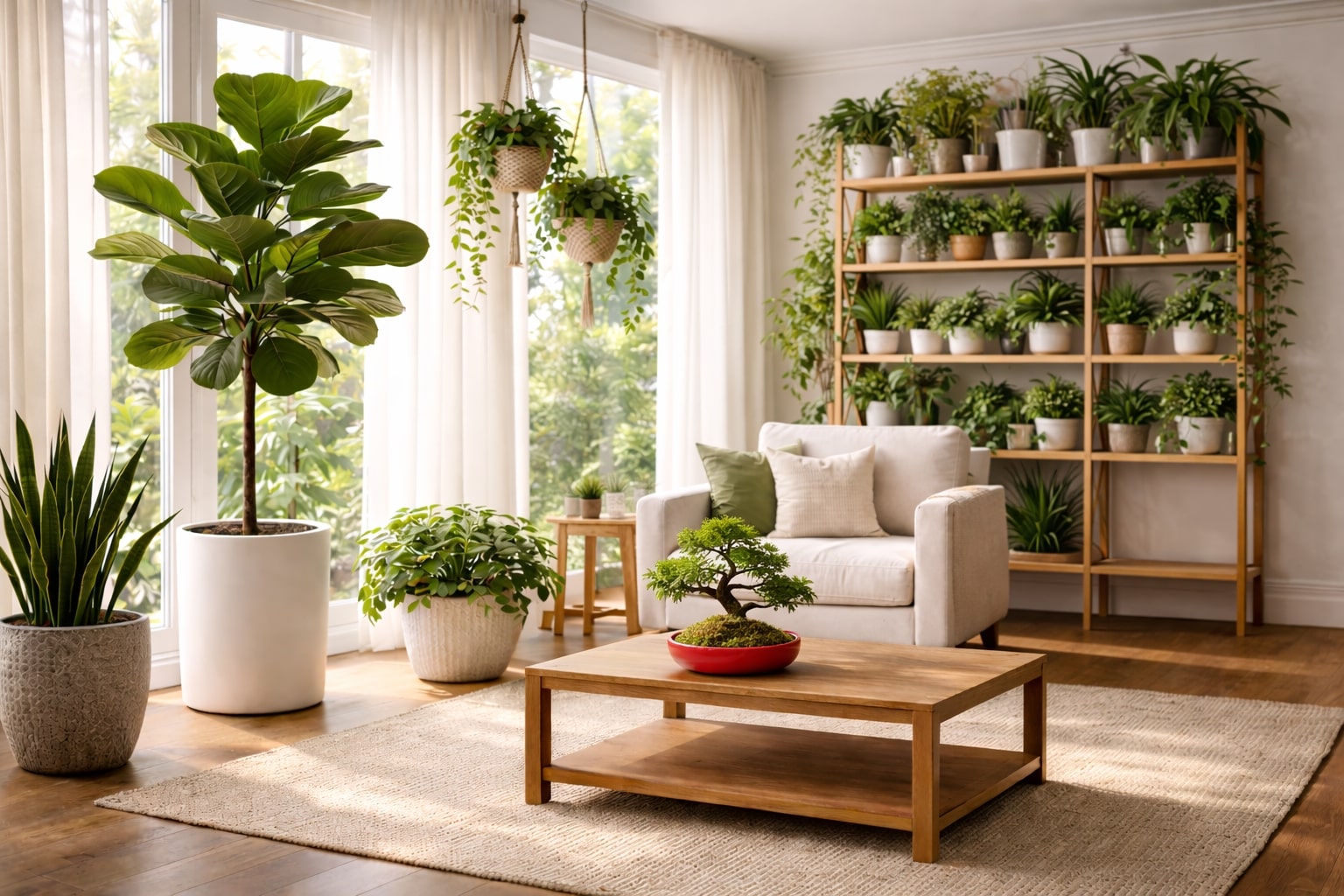
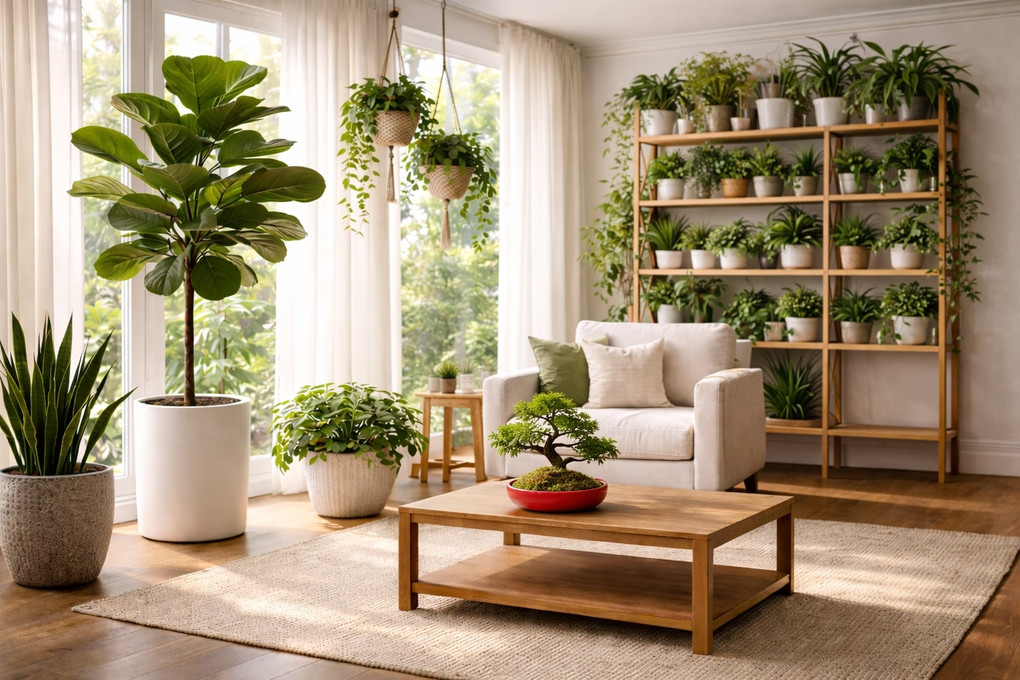
Let’s be honest for a second. We all want that "dream home" look. You know the one that looks lush and provides tranquility. It’s like stepping into a tiny, private sanctuary away from the noise of the city.
That is what we call an indoor oasis.
But what does that actually mean? Well, we can tell you it isn’t just buying a random fern and sticking it on a bookshelf. It is about creating a space that feels and looks alive. It is a thoughtfully designed spot that helps you relax, cleans your air, and makes your home look like you are in nature, or so to speak.
In this article, we are going to walk you through everything you need to know. We will help you assess your space, choose plants that fit your lifestyle, select the perfect planters for your decor, and, most importantly, teach you how to design a layout that thrives.
Start with the Basics - Assess Your Space & Conditions
Before you rush out to buy that giant Fiddle Leaf Fig you saw on Instagram, we need to hit the pause button.
It is easy to get excited and buy a plant just because it looks pretty in the shop. But here is the thing: plants are living things. They have specific needs. If you try to force a sun-loving plant into a dark corner, it isn't going to end well.
So, to build an oasis that actually stays alive, you need to assess your home environment first.
Light & Window Exposure
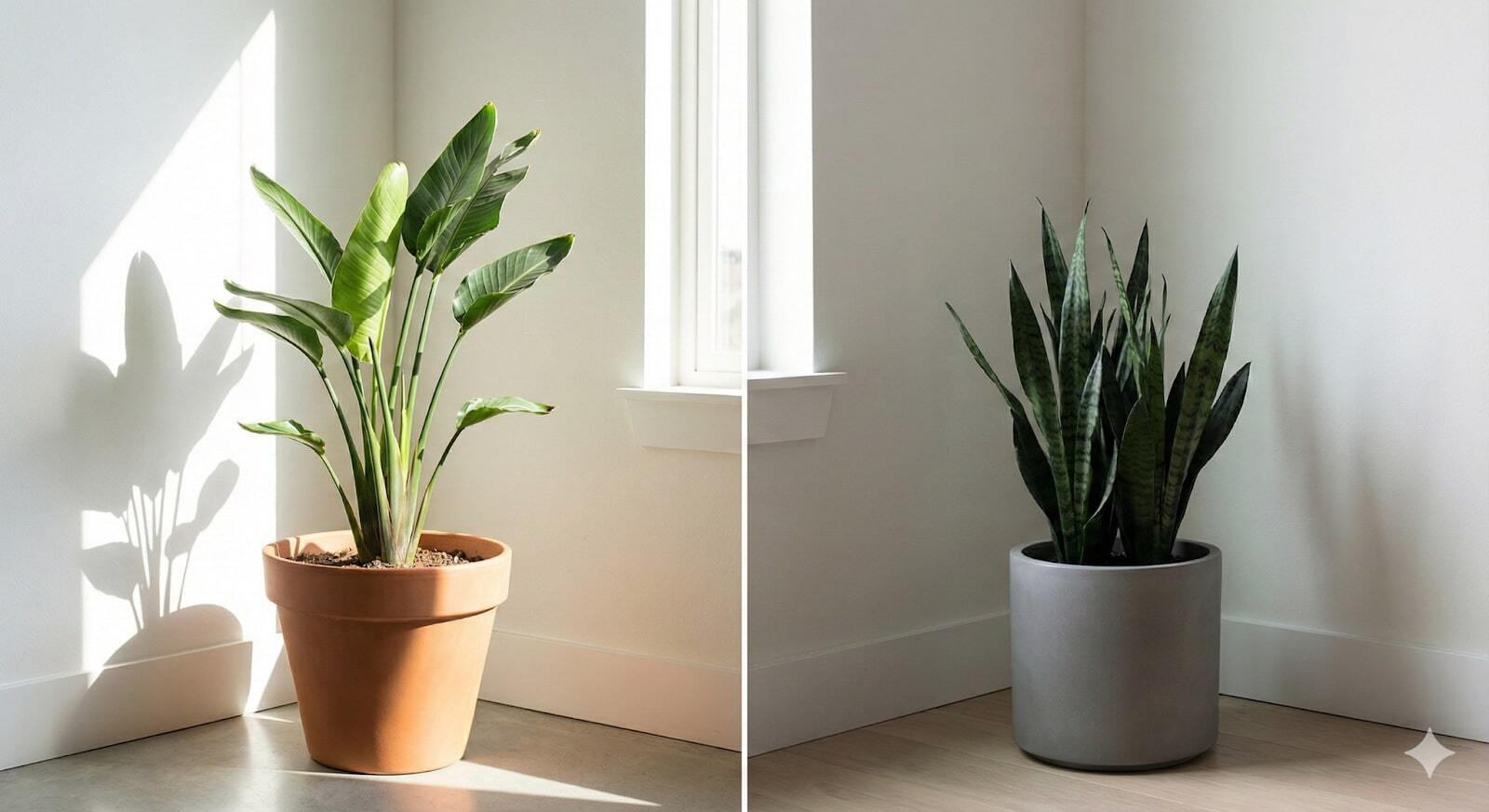
Light is food for plants. Without it, they starve. But not all light is the same, and the amount of sun you get depends entirely on your home's orientation.
To help you evaluate what you can grow, take a look at which direction your windows face:
- South-Facing: This is the ideal spot. You get bright, strong light for most of the day. You can put almost anything here, even desert plants that crave the sun.
- East-Facing: These windows get the morning sun. It is bright but gentle, not scorching hot. Most tropical house plants are perfectly happy here.
- West-Facing: You get the late afternoon sun. This light can be intense and hot, especially in summer. It is great, but delicate leaves might get a bit crispy if they are right against the glass.
- North-Facing: This is a tricky spot. It creates low light and shadows. It doesn't mean you can't have plants, but you will need to pick the tough ones that don't mind the shade.
Available Space & Layout
Now that you know your light, look at the floor. Where do you actually have room? You don't want to squeeze a giant tree next to a doorway where you will bump into it every time you walk by.
When you are mapping out your space, keep these constraints in mind:
- Floor Space: Do you have empty corners? That is prime real estate for a big statement tree or a large floor planter.
- Vertical Potential: If your floor space is tight, look up. You can use window sills, shelves, or even hang planters from the ceiling to get that lush look without losing square footage.
- Traffic Flow: Think about where you walk. Make sure your plants are not blocking paths or crowding your furniture layout.
Indoor Environment: Temperature & Humidity
This is the part most people forget. Our homes are built for humans, not plants. We usually like our rooms dry and warm, but most houseplants come from humid jungles.
Here are a few things to watch out for in your indoor environment to keep your plants happy:
- Temperature Stability: Never put a plant directly in front of a heater or an air conditioner. That constant blast of hot or cold air causes major stress.
- Humidity Levels: If your home gets really dry, especially in winter, your plants might struggle. You can fix this by using a "pebble tray, "just a tray with water and stones under the pot, to help keep the air around the plant moist.
Your Lifestyle & Care Commitment
Finally, be honest with yourself about how much time you have. It is better to have realistic expectations than a graveyard of dead plants.
Before you choose a plant, you need to ask yourself what kind of plant parent you want to be:
- The Busy Bee: If you are always on the go or travel for work, you need plants that thrive on neglect.
- The Nurturer: If you love the idea of checking your leaves and watering regularly, you can handle plants that are a bit more high-maintenance.
- The Beginner: If you are new to this, start with plants that are hard to kill so you can build your confidence first.
To help you figure this out, you can use this quick checklist to plan your oasis:
Choosing the Right Plants for Your Indoor Oasis
This is where things start to get really exciting. Now that you understand your lighting and space, we can move on to picking the actual plants.
We know it can be overwhelming to walk into a nursery and see rows and rows of green. So, instead of just guessing, it helps to categorize them based on what they do and how much care they need. This way, you can pick the ones that fit your lifestyle perfectly.
Here’s a look at the best options for different needs.
Easy & Low-Maintenance (For Beginners & Busy People)
If you are new to this, or if you travel a lot, you want plants that are forgiving. These are the tough ones that don't mind if you forget to water them occasionally.
Here are our top picks for a stress-free oasis:
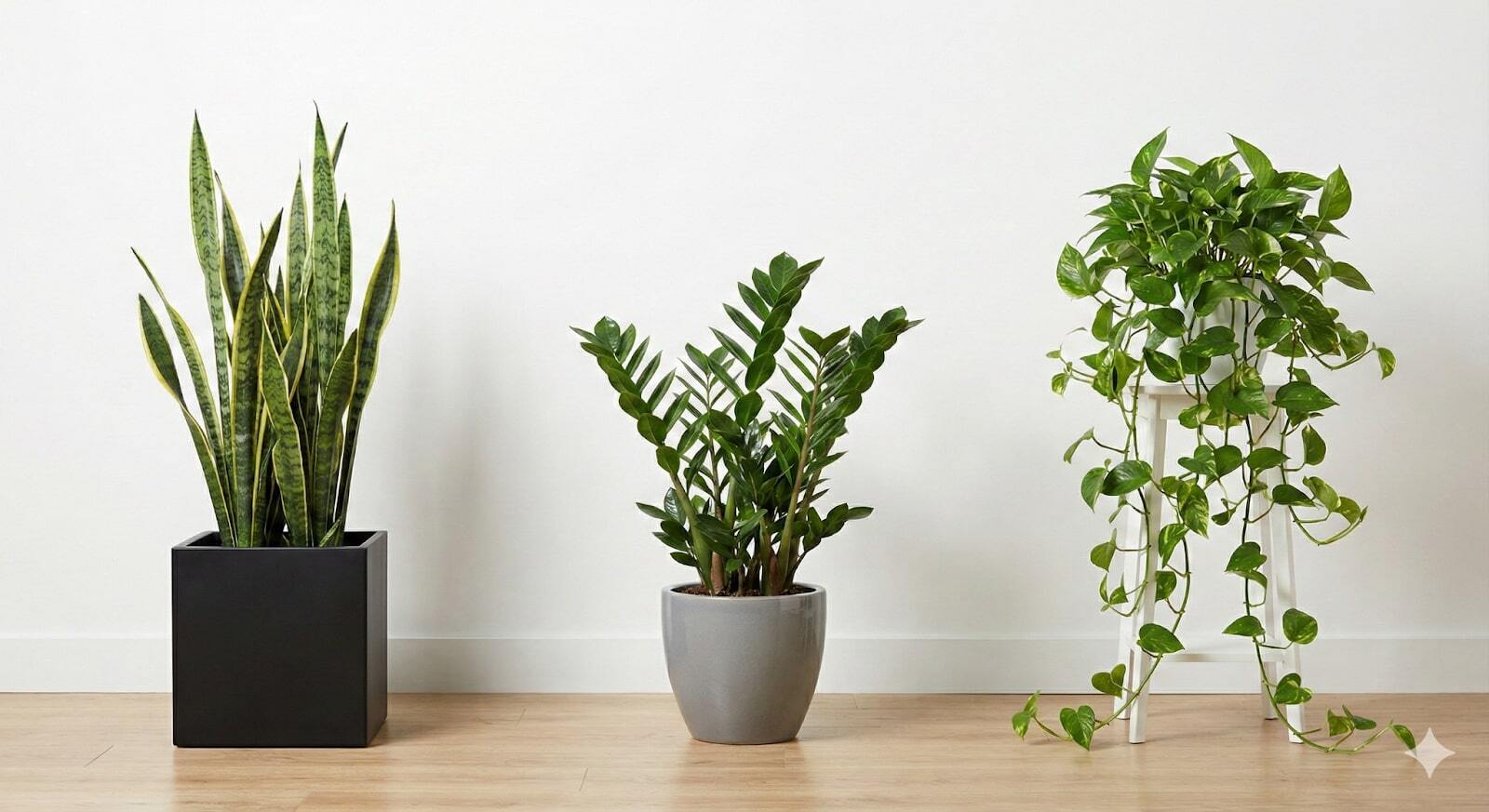
- Snake Plant (Sansevieria): This is arguably the toughest plant you can buy. It has tall, architectural leaves that look great in modern pots. It thrives in almost any light, from low shade to bright sun, and likes to dry out completely between waterings.
- ZZ Plant: This plant has shiny, waxy leaves that look polished and neat. It prefers indirect light but handles low light very well. It grows from rhizomes that store water, so it rarely needs to be watered.
- Pothos (Devil’s Ivy): If you want fast growth, this is the one. It has trailing vines with heart-shaped leaves. It "talks" to you by drooping slightly when it is thirsty, making it very easy to care for.
Statement / Feature Plants (For Design Impact)
Sometimes, you have an empty corner that looks a bit sad. You don't need small pots there; you need something big and structural to act like "green furniture."
These plants command attention and define a room:
- Ficus Elastica (Rubber Tree): This plant has thick, glossy, dark leaves that add a moody, sophisticated vibe. It likes bright, indirect light and can grow quite tall indoors, making it a perfect focal point.
- Fiddle-Leaf Fig: You have probably seen this plant everywhere. It has huge, violin-shaped leaves that look stunning. It is a bit more demanding, as it requires consistent bright light and dislikes being moved, but the visual payoff is worth it.
- Monstera Deliciosa: This is the one with the big leaves that have "Swiss cheese" holes in them. It grows wide and wild, giving a room an instant tropical jungle feel. It loves bright, indirect light and a bit of humidity.
Trailing / Hanging / Vertical Plants
If you are tight on floor space or just want to add more depth to your room, the secret is to look up. Using plants that vine or cascade down from high shelves and hanging baskets allows you to add lush greenery without cluttering your walking path. This draws the eye upward, creating a sense of height that makes the whole room feel taller and more open.
Some great options for shelves and hanging baskets include:
- Spider Plant: This is a classic for a reason. It grows long, arched leaves and produces little 'baby' plants that dangle down the side. It is safe for pets and very adaptable to different light conditions.
- Heartleaf Philodendron: Similar to the Pothos, this has beautiful dark green, heart-shaped leaves. It is a fast grower that looks amazing trailing down from a high bookshelf or a wall-mounted planter.
- English Ivy: If you want a more traditional look, ivy is great. It likes cooler temperatures and bright light. It looks beautiful cascading down the side of a tall planter.
Mixed-Purpose or Mood Plants
Sometimes, you need a plant that brings a little extra value to your space. You might be looking for something that cleans the air, adds a fresh scent, or is completely safe for your pets.
Here are a few that offer extra benefits:
- Peace Lily: This plant has lush, dark leaves and elegant white flowers, and it is famous for its air-purifying qualities. It likes low to medium light and needs to be kept moist (it will droop dramatically when thirsty).
- Lavender: If you have a very sunny windowsill, lavender brings a wonderful, calming scent to your oasis. It needs a lot of direct sun to bloom, so keep it right by the window.
- Calathea (Prayer Plant): These are for the pattern lovers. Their leaves have incredible stripes and colors. They are pet-safe, which is a huge plus, though they do need high humidity to keep their leaves from getting crispy edges.
Plant-By-Environment Mini-Guide
To make this even easier, we put together a quick cheat sheet. You can just look at your room's condition and see what fits best.
- Low-Light Rooms: Snake Plant, ZZ Plant, Peace Lily, Cast Iron Plant.
- Bright Sunny Windows: Succulents, Aloe Vera, Jade Plant, Lavender, Bird of Paradise.
- Small Apartments / Shelves Only: Pothos, String of Pearls, Air Plants, small Ferns.
- Large Open Living Room: Rubber Tree, Monstera, Dracaena, tall Ficus trees.
Planter & Container Selection - Match Planters to Plants and Style
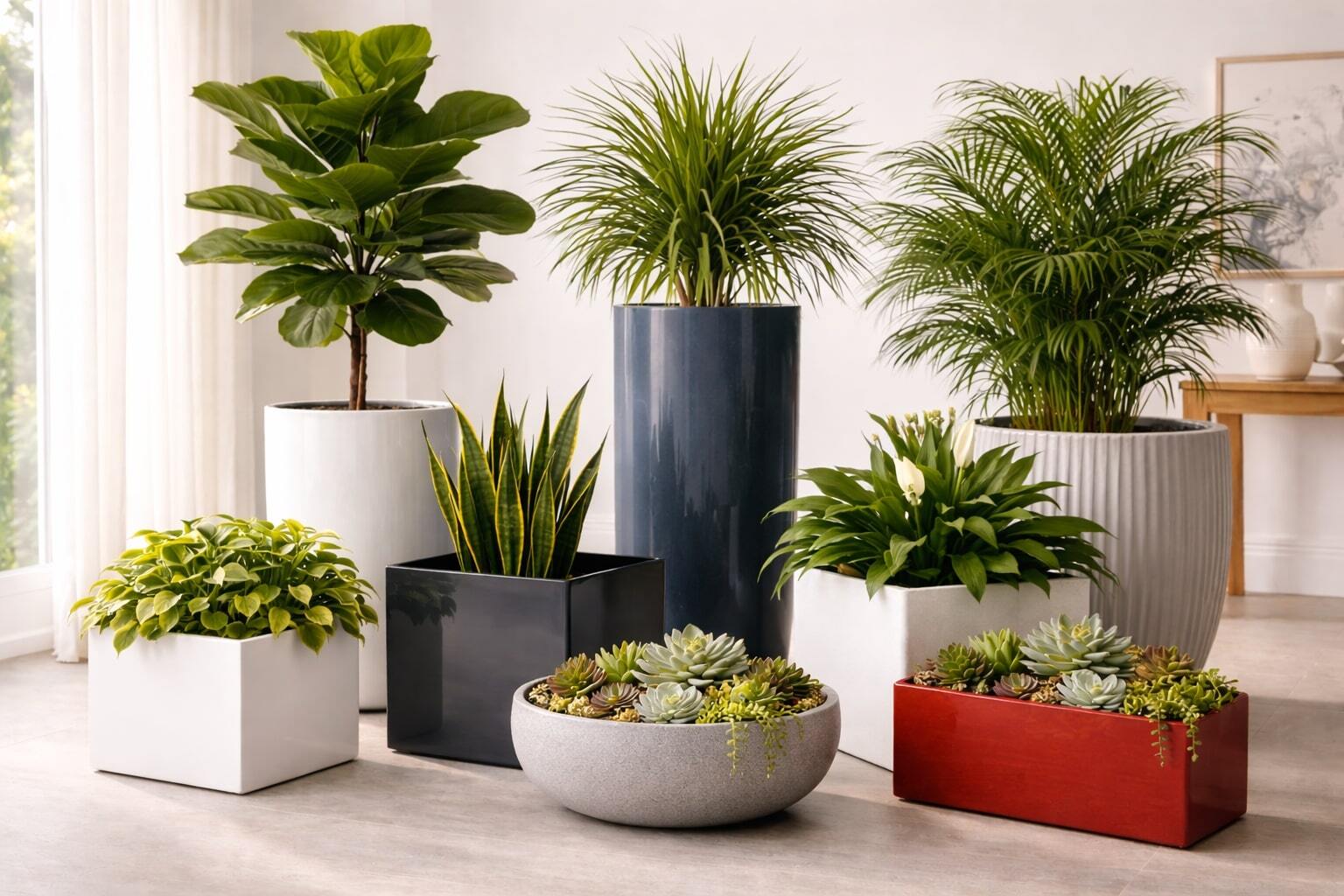
Now that you have picked your plants, you need to find them great indoor planters.
A lot of people treat planters as an afterthought, just grabbing whatever is on sale. But the pot you choose acts as a key piece of decor that anchors the room, and it is critical for keeping your plant alive.
Here is how to choose the right one for both your style and your plant’s health.
Planter Size & Shape Guidelines
Size matters more than you might think. If you get this wrong, your plant will struggle to grow.
You want to find the "Goldilocks" fit - not too big, not too small:
- Too Small: If the pot is tight, the roots will have nowhere to go. They will circle around the inside of the pot (becoming "root-bound"), and the soil will dry out almost instantly after watering.
- Too Big: If the pot is massive compared to the plant, the soil will hold too much water. The roots can't drink it all fast enough, which often leads to root rot.
- The Rule of Thumb: Generally, you want a pot that is about 1 to 2 inches wider in diameter than the plant's current nursery pot. If you are potting a large tree, you can go 2-3 inches larger.
Drainage, Soil & Growing Medium
This is the unglamorous part, but it is the secret to a healthy oasis. You cannot just dig up dirt from the backyard and hope for the best.
Here is what you need to know about what goes inside the pot:
- Drainage Holes: This is non-negotiable. Your pot needs a hole at the bottom. Without one, water sits at the bottom like a swamp, and the roots will rot. If you find a decorative pot you love that lacks a hole, use it as a "cachepot." This means you keep the plant in its original plastic grower's pot and simply slip that whole thing inside the decorative container to catch excess water.
- Potting Mix: Garden soil is too heavy and packs down tight, choking the roots. You need "potting mix" specifically formulated for indoor plants. It usually contains ingredients like peat moss, perlite (those little white rocks), or vermiculite. These keep the soil airy and fluffy so water can drain through easily.
Planter Materials & Visual Style
This is where your inner designer gets to have fun. The material you choose changes the look of the space and also affects how the soil holds moisture.
Consider these options to match your decor:
- Ceramic & Glazed Pots: These come in every color imaginable. They hold moisture well and are heavy, which is great for stabilizing tall plants so they don't tip over.
- Terracotta: These are the classic orange-clay pots. They are porous, meaning the walls "breathe" and let moisture escape. They are perfect for plants that like to dry out, like succulents or Snake Plants, and they add a nice rustic, natural, warm tone.
- Fiberglass & Metal: If you want a modern, sleek look, these are your best bet. High-quality fiberglass planters are lightweight but incredibly durable. They look sharp in minimalist or industrial spaces and come in clean shapes like squares or tall cylinders.
- Woven Baskets: For a "Boho" or cozy feel, putting a basic pot inside a woven seagrass or jute basket adds great texture and warmth to a room.
Vertical & Hanging Options
If you are running out of floor space, the walls are your best friend. Vertical gardening turns a plain wall into a living art piece.
Here are some ways to lift your greenery off the ground:
- Wall-Mounted Planters: These are great for creating a "green wall" effect. You can group three or four small planters together at different heights.
- Hanging Baskets: Macramé hangers or modern hanging bowls lift the greenery up to eye level. They work perfectly in corners or in front of windows where you don't have a shelf.
Design & Layout: Arranging Your Indoor Oasis
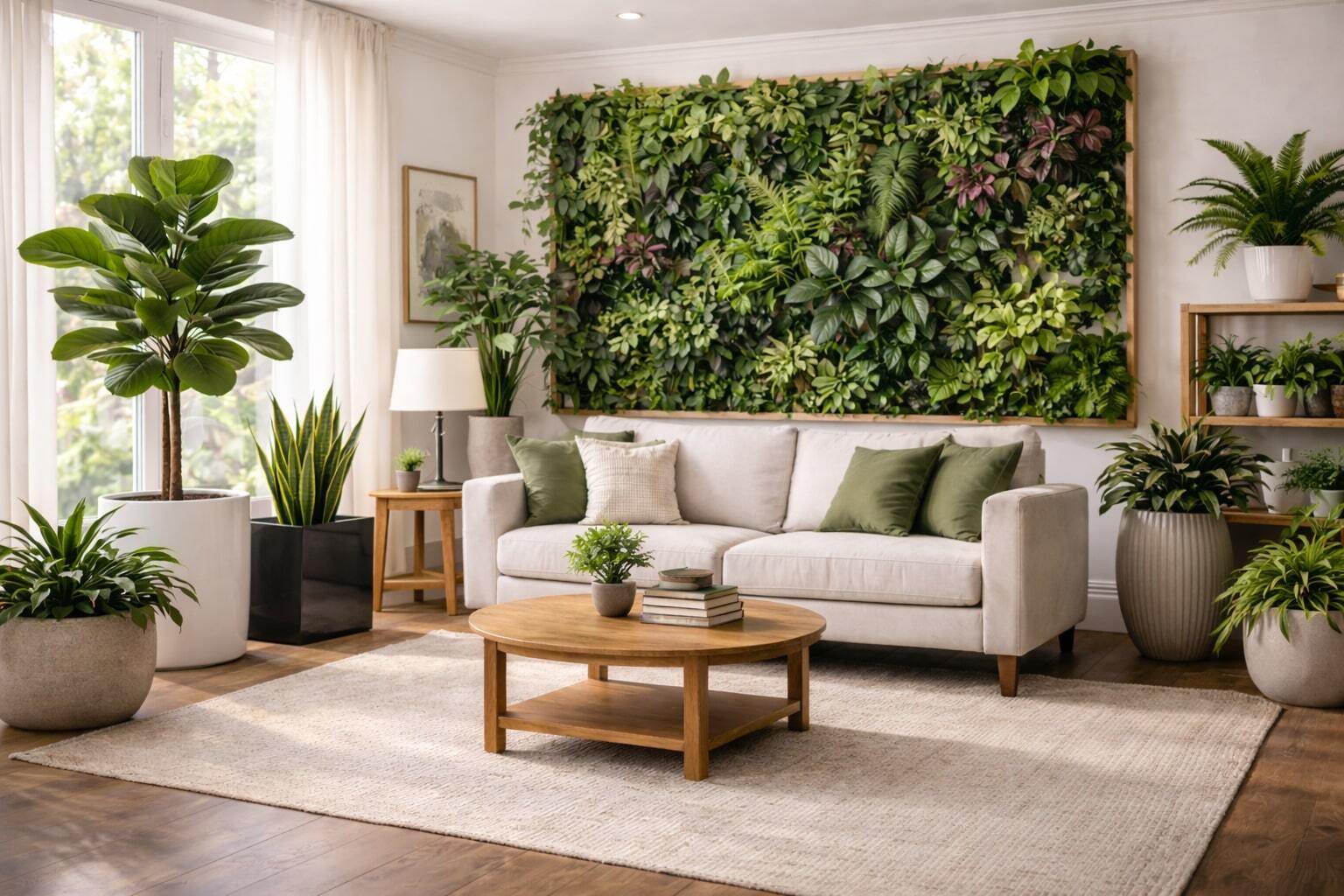
This is the fun part. You have your plants, and you have your pots. Now, you get to play designer.
You shouldn't just stick a pot in a corner and call it a day. To get that lush, designed look, you need to think about how your plants fit into the room as a whole.
Here is how to arrange your greenery like a pro.
Think of Your Plants as Furniture
Treat a large potted plant exactly like you would a chair or a lamp. It takes up floor space and visual weight.
When you are planning your layout, keep these tips in mind:
- Check the Flow: Don't block your pathways. You should be able to walk through the room without dodging leaves.
- Create Focal Points: Use a large, tall tree to anchor an empty corner or fill a gap between two armchairs. It draws the eye instantly.
- View Angles: Sit on your sofa and look around. Doing this allows you to see where to place your plants so that you can actually enjoy them while you relax.
Create Layers and Depth
A common mistake is lining up small pots in a straight row on a windowsill. It looks a bit flat. To make it look natural, you need variety.
Try mixing different shapes and sizes to build depth:
- The Anchor: Start with a tall plant (like a Rubber Tree) in a floor pot to set the height.
- The Filler: Place a bushy, mid-sized plant (like a ZZ plant) on a low stand or side table next to it.
- The Spiller: Finish with a small trailing plant (like a Pothos) on a shelf or high stand to bridge the levels.
Create "Plant Stations"
Instead of scattering one pot here and one pot there, try grouping them. Plants actually like this because it creates a little pocket of humidity.
Here are a few ways to group them effectively:
- The Reading Nook: Place a tall, leafy plant next to your favorite armchair. It creates a cozy "canopy" feel while you read.
- The Window Garden: Dedicate a sunny windowsill to a collection of herbs or sun-loving succulents.
- The Green Corner: Cluster three pots of different sizes (remember the rule of three!) in a bare corner to turn dead space into a feature.
The Golden Rule: Light Comes First
We know you want that fern to look perfect on your coffee table. But if the table is in the dark, the fern won't last.
Always prioritize the plant's health over the design. If a spot looks perfect but has zero light, use a high-quality artificial plant or choose a piece of art instead. A healthy plant in a "good" spot looks better than a dying plant in the "perfect" spot.
Care & Maintenance - Keep Your Oasis Thriving
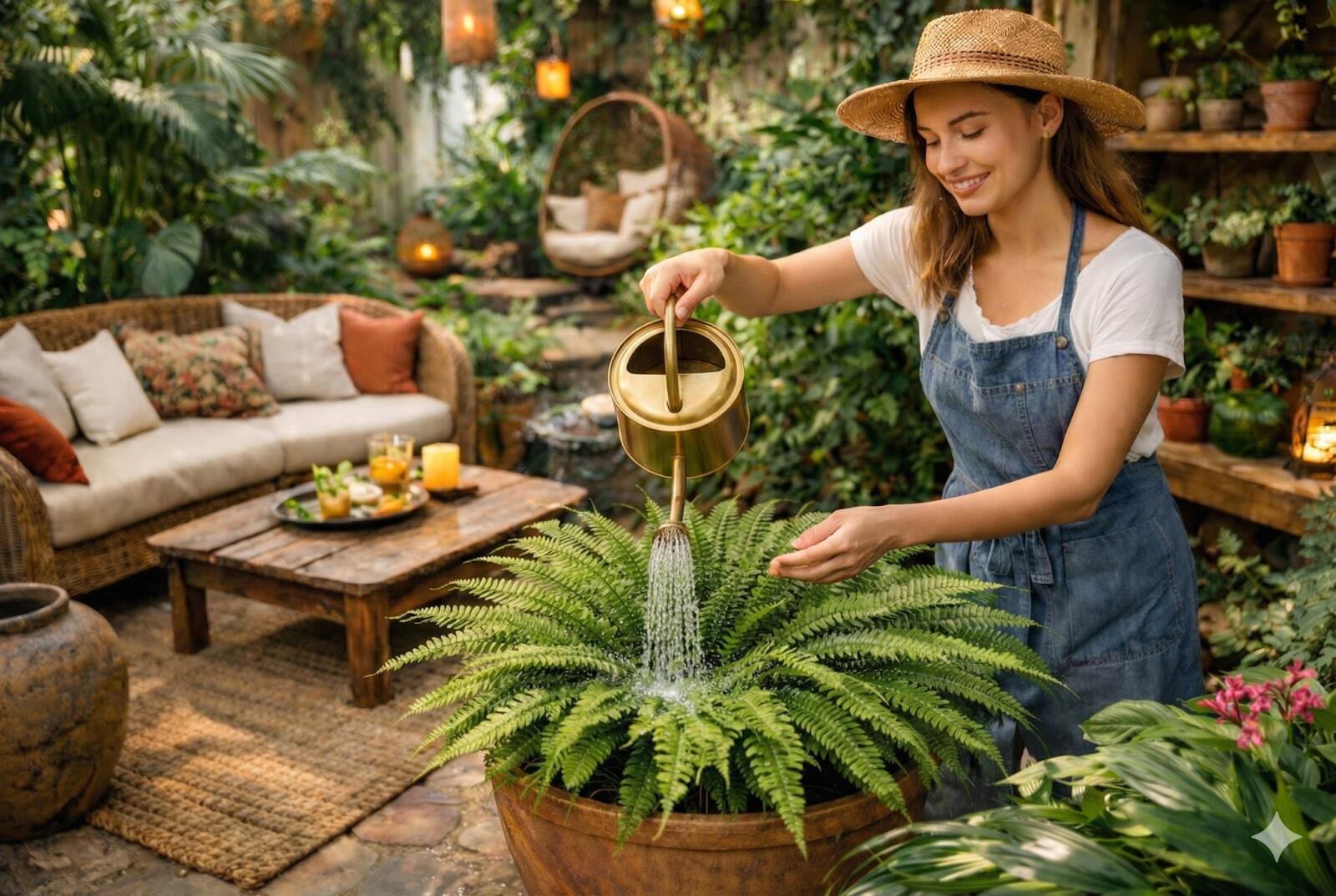
Once you have your planters positioned and your greenery in place, it's time to consider long-term care.
Many people worry that they need a "green thumb" to make this work, but the truth is that you just need to be consistent.
Here are ways to keep your oasis healthy year-round:
- Master the Watering: Most plants actually die from too much water. Instead of sticking to a strict schedule, check the soil first. Put your finger about an inch into the dirt. If it feels wet, wait a few days. If it is dry, give it a drink.
- Help with Humidity: Our homes are often too dry for tropical plants. A simple trick is to group your pots close together. This helps them share moisture. You can also put your pots on a tray with water and stones to keep the air around them fresh without rotting the roots.
- Clean the Leaves: Dust falls on plants just like it does on furniture. A thick layer of dust blocks the light they need to grow. To fix this, just wipe the leaves gently with a damp cloth every few weeks to keep them happy.
- Feed Them in Spring: Plants need food to grow, but only when it is warm. Add some liquid fertilizer to your water during spring and summer. But make sure to stop feeding them in winter when they are resting.
- Watch for Bugs: It is best to catch problems early. Look for sticky spots or tiny webs on the leaves. If you see anything weird, wipe the leaves with mild soapy water right away to stop it from spreading.
- Adjust for the Seasons: Your home changes during the year. In winter, the sun is weaker, and heaters dry out the air. During these months, you typically need to water less frequently, and you may need to check the humidity more often.
Conclusion
Creating your own indoor oasis is a journey, not a weekend project. It starts with understanding your light, picking plants that fit your lifestyle, and finding the right planters to tie it all together. You don't need to fill every corner immediately. It is actually better to start small with just one or two plants, learn what they like, and let your sanctuary grow naturally over time.
The most important step is simply to begin. If you are ready to find the perfect home for your new greenery, explore our collection of planters to see what fits your style. You might prefer a modern look or something more rustic, but the right pot makes all the difference in turning a simple plant into a true design feature.