Loading cart...
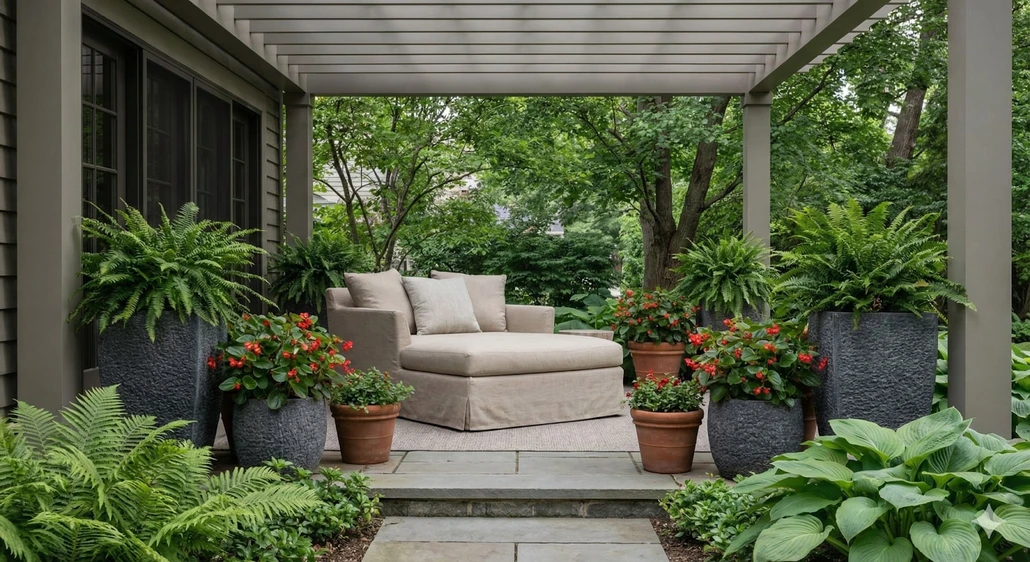
Container Ideas for Shaded Spaces: The Best Plants, Designs & Tips for Stunning Shade Gardens
Posted by Jason Wyrwicz on Jan 12th 2026
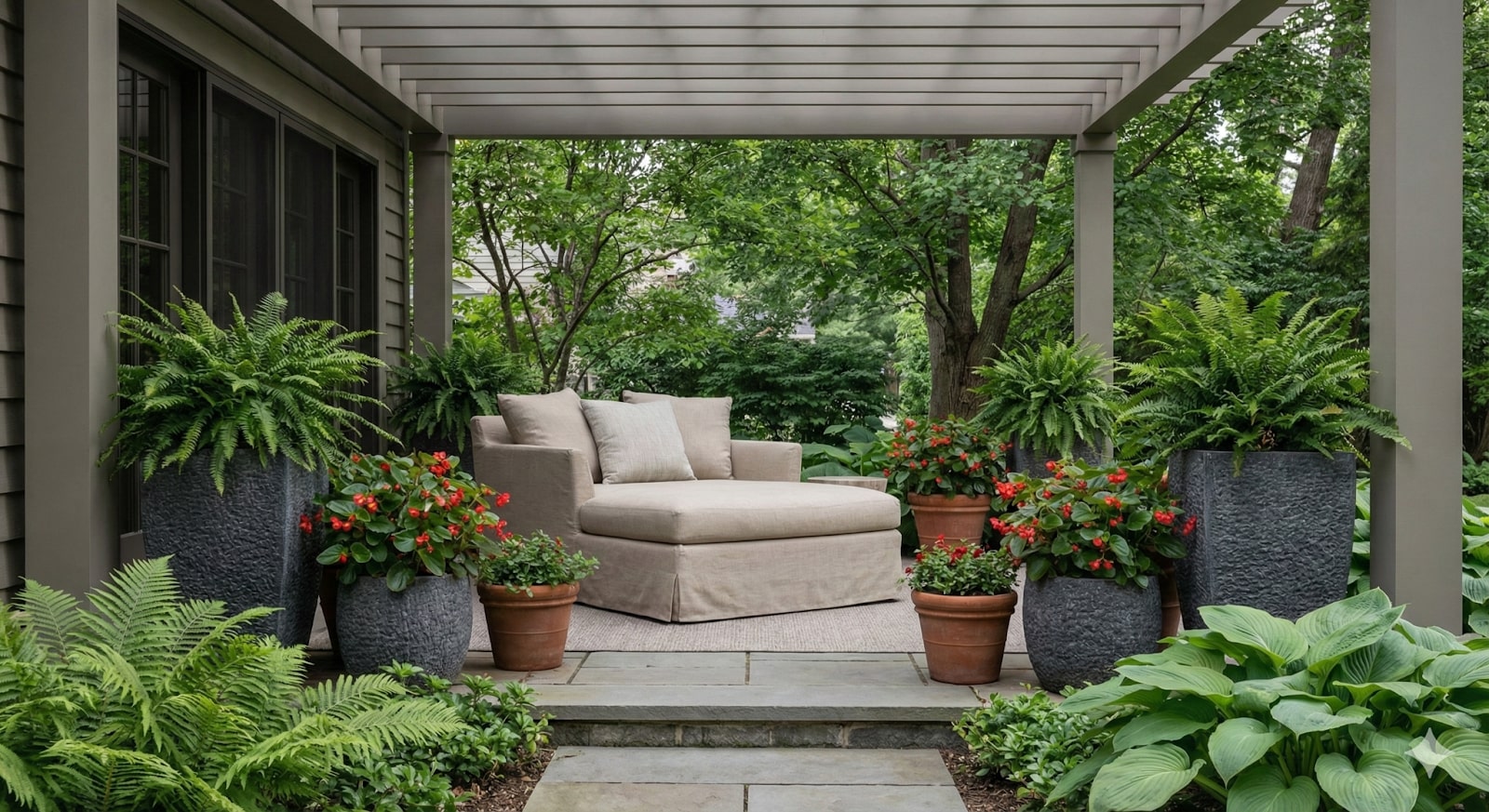
Many people think that a lush garden needs sunshine all day long. But that is simply not true. In fact, having a shady spot is not a problem; it is a design opportunity.
Shade gardening is often easier than managing plants in full sun. Because the soil stays cool, you don't need to water as often. Plus, outdoor plants that don't need sunlight often have beautiful leaves and rich textures that you won't find anywhere else.
You don't need a sunny yard to create an oasis. There are plenty of flowers that don't need sun and low-light outdoor plants that thrive in pots.
In this guide, we will show you exactly how to do it. We will cover how to check your light levels, which plants work best, and how to pick the right containers to make your shade garden thrive.
Understanding Shade - Know Your Light Levels
Before you head to the nursery to pick out your pots and greenery, you need to understand exactly what kind of shade you have.
You might think that "shade" just means "no sun," but it is actually a bit more nuanced than that. A spot under a dense pine tree is very different from a porch that gets a few hours of morning light. Knowing the difference is the secret to choosing outdoor plants that grow without sunlight versus those that need just a little bit of help.
Here is a simple way to categorize your space:
- Deep or Full Shade: This is an area that gets no direct sunlight at all. It might be under a thick tree canopy or on the north side of a tall building. This is the home for the true low light outdoor plants like ferns.
- Partial Shade: This spot gets about 3 to 6 hours of sunlight a day, usually in the morning or late afternoon. It is bright, but it is not baking in the midday heat.
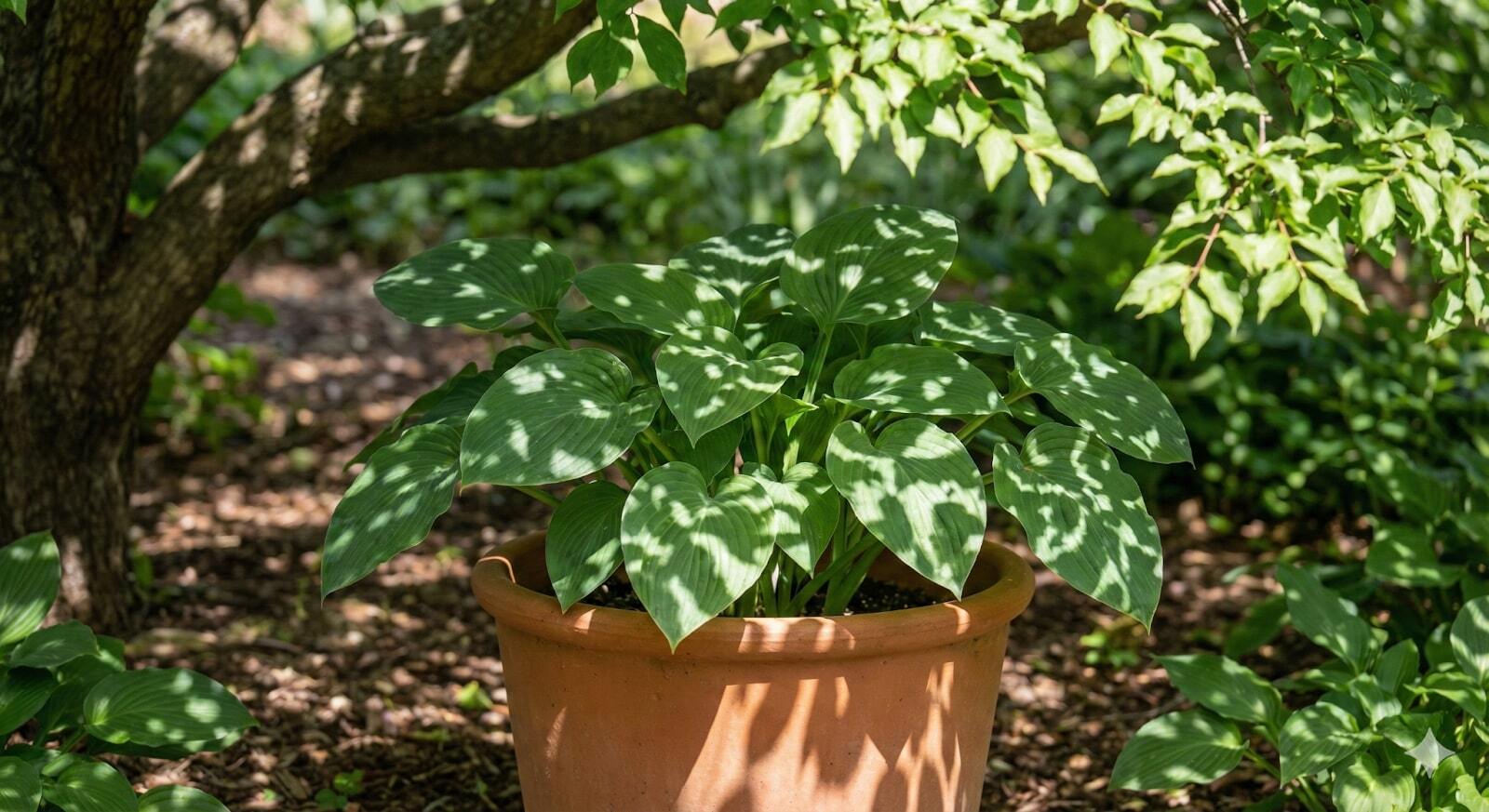
- Dappled Shade: This is the "goldilocks" zone. It happens when sunlight filters through the leaves of a tree above. The light dances around, so the plants get bright light but never full, harsh heat.
Why does this matter? If you put a sensitive plant that doesn't need sun in a spot that actually gets four hours of hot afternoon rays, it will burn and turn brown. On the other hand, if you put a flower that likes partial shade into a deep, dark corner, it will stop blooming.
The best thing you can do is watch your space for a day. Go outside in the morning, at noon, and in the evening. See where the shadows fall. Doing this can help you pick the right plants that grow in shade so they thrive.
Basics of Container Setup for Shade
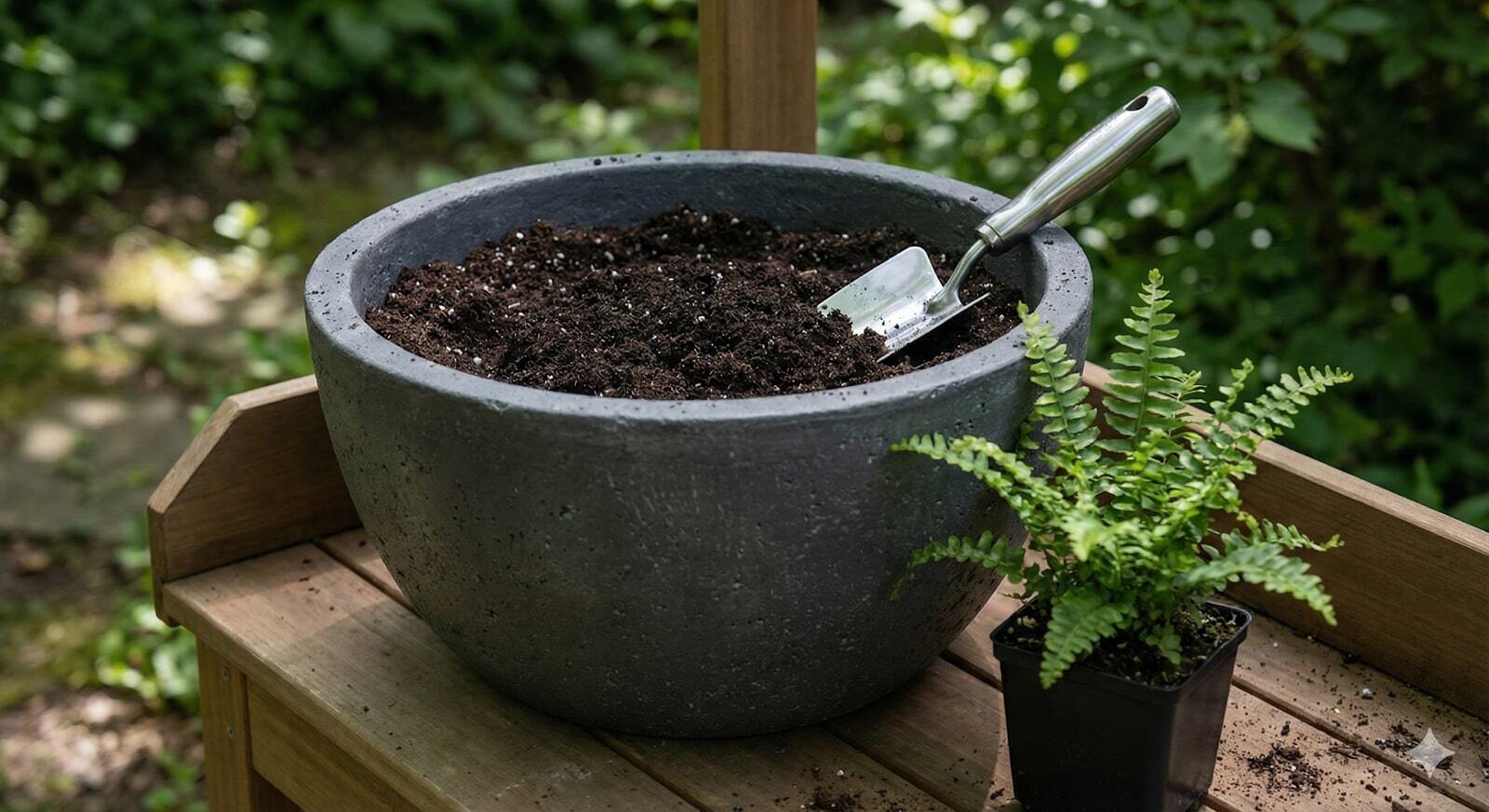
Now that you know your light levels, it is time to get your outdoor planters ready.
You might think that planting a pot in the shade is the same as planting one in the sun, but the rules are actually a little different.
In a sunny garden, the hot sun dries out the soil quickly. But in a shaded spot, moisture sticks around for much longer. Because the evaporation is slower, your biggest risk isn't your plants drying out - it is your plants drowning.
Here is how to set up your containers to keep your low sunlight plants outdoors happy and healthy.
Don’t Forget About Drainage
This is the most important rule for shade gardening. Your pot absolutely must have drainage holes at the bottom. If there are no holes, the water has nowhere to go. It sits at the bottom of the pot and turns the soil into a swamp.
While there are a few specific plants that soak up water in shade (like certain ferns), most plants will rot if their roots are constantly wet. If you fall in love with a decorative planter that has no holes, simply drill some yourself or use it as a cover for a plastic nursery pot.
Choose the Right Soil
Do not dig up dirt from your yard to fill your pots. Garden soil is heavy and packs down tight, which suffocates the roots. Instead, buy a high-quality "potting mix." These mixes are light and fluffy.
They are made to hold just enough moisture to keep the plant hydrated but let the excess water drain away quickly. This balance is critical for outdoor plants that don't need sunlight, as they need air around their roots just as much as they need water.
Water Less Often
Since your pots aren't baking in the sun all day, they won't get thirsty as often. A common mistake is watering on a strict schedule, like "every Monday," which can lead to overwatering.
Instead, check the soil first by sticking your finger about an inch into the dirt. If it feels dry, go ahead and water. If it feels damp, wait a few more days.
Plant Palettes: Recommended Shade-Loving Container Plants
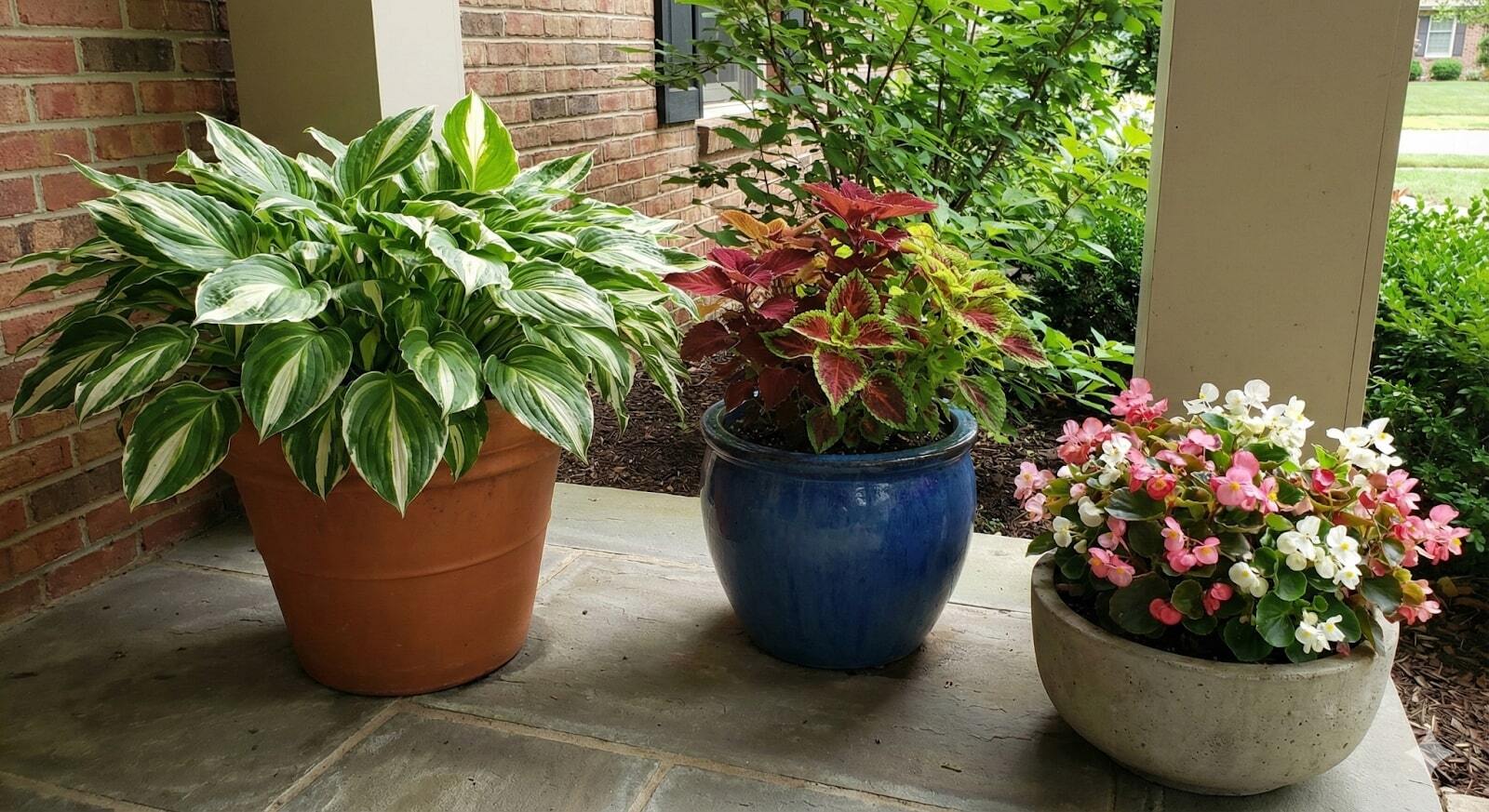
When people think of shade, they often picture nothing but green moss. But the truth is, the most interesting plants grow in the shade.
Without the harsh sun bleaching out their colors, shade plants often have deep, vibrant tones and incredible leaf patterns that you just don't see in full-sun gardens. From neon greens to deep purples, you can create a stunning display without a single ray of direct light.
Here are the best options to fill your pots.
Foliage & Texture Stars
Since flowers might bloom less in the dark, foliage is your best friend. You want to look for plants with interesting leaf shapes and colors like:
- Hostas: These are the kings of the shade. They come in hundreds of varieties, from small outdoor plants that don't need sunlight with blue-green leaves to giant ones with white stripes. They look fantastic planted in a row in rectangular planters to create a lush, low border.
- Ferns: Nothing says "cool shade oasis" like a fern. Their feathery texture adds a soft, airy feel to any container. They love moisture, making them perfect plants that don't require sun but do need regular watering.
- Coleus: If you want color without flowers, this plant is it. Coleus leaves come in electric pinks, reds, and lime greens. They grow fast and fill a pot quickly.
Flowering Plants for Color
Yes, you can have blooms in the shade, you just need to pick the right varieties. Some great options include:
- Begonias: These are classic outdoor flowers that don't need sunlight. They are tough, reliable, and bloom continuously in shades of red, pink, white, and orange.
- Impatiens: Often called "Busy Lizzies," these flowers that don't need a lot of sun cover themselves in blooms. They are perfect for brightening up a dark corner.
- Fuchsia: These look like exotic, hanging jewels. They are perfect for hanging baskets or tall pots where their flowers can dangle down. They are true flowers that need shade and will actually wilt if they get too hot.
Adding Height and Structure
While colorful blooms and leafy fillers are beautiful, a truly professional-looking container arrangement often needs a centerpiece to draw the eye upward. To add that vertical interest, some good options are:
- Snake Plant (Sansevieria): While often used indoors, these are excellent tall outdoor plants that don't need sunlight during the warmer months. Their upright, sword-like leaves look incredibly modern, especially when placed in sleek, tall planters to frame a doorway or entry.
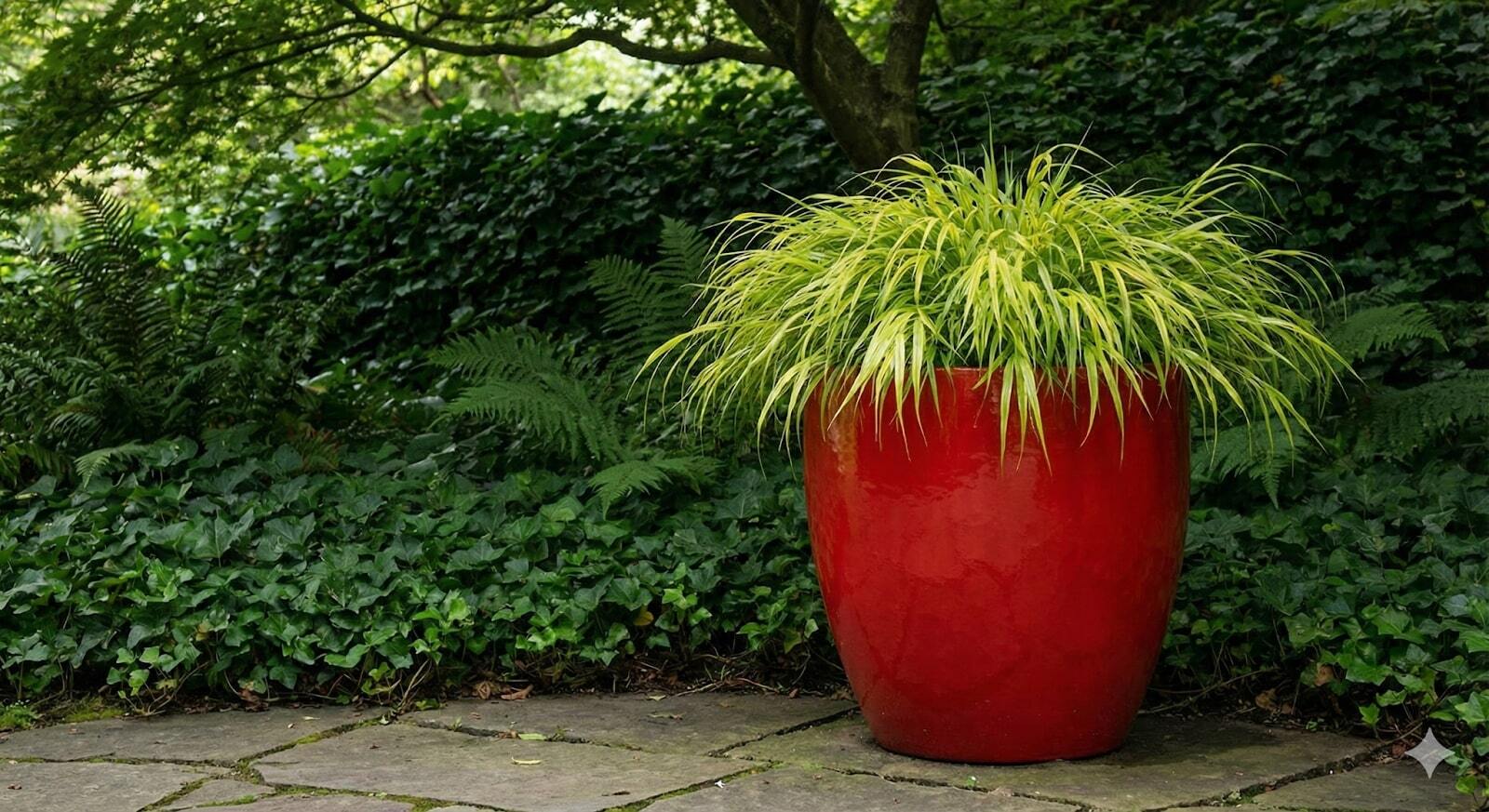
- Japanese Forest Grass: This is a cascading grass that adds movement to your container. It softens the edges of the pot and glows in low light, giving your arrangement a soft, fountain-like effect.
Design Layouts & Container Ideas
Now that you know which plants work best, the fun part begins: putting them together.
Designing a container garden is all about mixing the right elements. You need a solid plan to make it all come together. You might have a tiny balcony or a wide front porch, but the goal is the same. Here are three specific design ideas to help you style your shady spots.
1. The Modern Entryway (Sleek & Structured)
If you have a shaded front door or a dark hallway entrance, you want something that looks neat and welcoming. The goal here is height and simplicity.
The Look: Clean lines, architectural, and elegant.
To achieve this style, here is the setup:
- The Container: Use a pair of square planters placed on either side of the door. Their sharp edges contrast beautifully with soft organic leaves.
- The Plants:
- Thriller (Height): A tall Snake Plant or a Cast Iron Plant. These are tall, outdoor plants that don't require sunlight and stand upright without flopping over.
- Filler (Base): A ring of dark green Ivy or silvery Lamium around the base to cover the soil.
- Why it works: It creates a formal frame for your entry without needing bright sun to keep it looking sharp.
2. The "Forest Floor" Corner (Lush & Relaxed)
Do you have a darker corner on a patio that feels empty? This layout mimics the soft, layered appearance of a woodland floor.
The Look: Soft, wild, and relaxing.
Here is how to create this arrangement:
- The Container: A wide, shallow container works best here. Low-bowl planters are perfect because they provide a generous surface area to mix different textures.
- The Plants:
- Center: A large, leafy Hosta with variegated (striped) leaves.
- Surround: Mix in a few Ferns for texture and some Coral Bells (Heuchera) for a pop of purple or deep red color.
- Why it works: By using plants that grow in shade with different leaf shapes, you create a rich tapestry of green that looks good even when nothing is blooming.
3. The Balcony Rail (Colorful & Compact)
If you are short on floor space, look at your railings or window sills. This is the perfect spot for trailing flowers.
The Look: Bright, cheerful, and cascading.
A great way to style this space is:
- The Container: Long, narrow window boxes fit perfectly on ledges or railing brackets.
- The Plants:
- Main Show: Fill the box with Impatiens or Fuchsia. These are outdoor flowers that don't need sunlight to produce bright color.
- Trailing: Add Creeping Jenny or English Ivy at the edges so it spills over the side.
- Why it works: It brings color up to eye level and softens the hard lines of a balcony railing.
Creative Tips to Transform Your Shade Garden
Once you have the basics down, you can start experimenting. A shade garden doesn't have to be just a pot with a fern in it. With a few creative twists, you can turn a dark corner into the most interesting part of your patio.
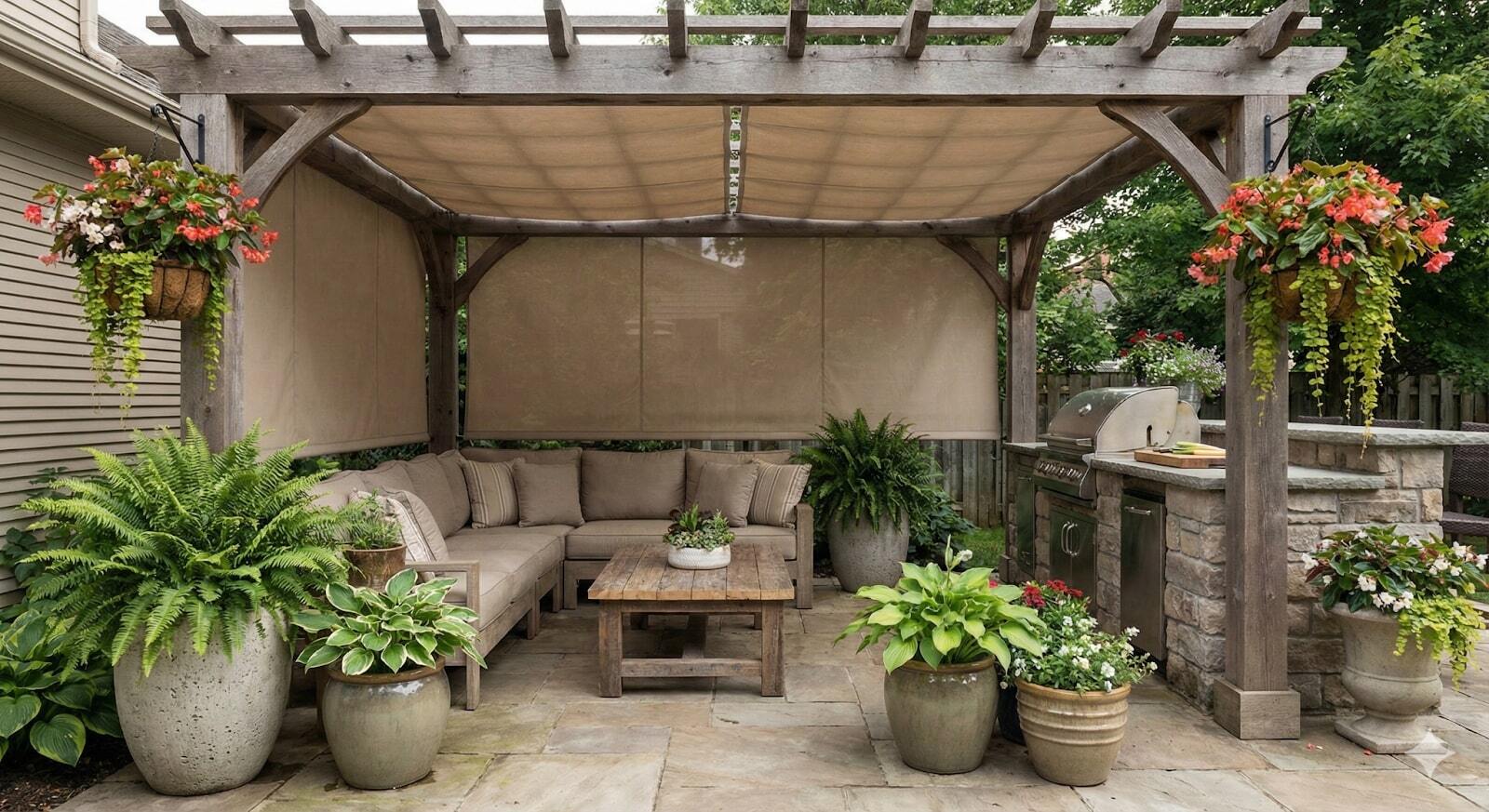
If you want to take your design to the next level, here are a few unique ideas to try.
- Use Colorful Pots: In a sunny garden, the flowers provide all the color you need. But in the shade, you can use your container as a secret weapon. Try using fiberglass planters in bright finishes, such as gloss red or cobalt blue. A bright pot acts like a beacon in the shade and adds color even when your outdoor flowers, which don't need sunlight, aren't blooming.
- Add Movement with Grasses: Shade gardens can sometimes look a bit heavy. To fix this, add plants that grow in shade, like Japanese Forest Grass or Sedges. Their long, thin blades catch the breeze, making your garden feel alive and dynamic.
- Mix in Edibles and Herbs: You don't need full sun to grow food. Leafy greens and herbs like Mint, Parsley, and Chives are great low sunlight plants. You can tuck them right into your decorative containers for a fresh, edible touch.
Conclusion
Don't let a lack of direct sunlight stop you from gardening. As we have seen, a shady spot is actually the perfect place to create a cool, relaxing retreat. You don't need to transform your whole patio overnight. It is best to start small with just one or two outdoor plants that don't require direct sunlight, learn what they like, and let your green space grow naturally.
The most important piece of the puzzle is the pot you choose. If you are ready to bring your dark corners to life, explore our collection of durable, stylish planters to find the perfect match for your home. Finding the right planter is the best way to turn a simple plant into a stunning design feature that you will enjoy for years to come.